Chard
What is Chard?
Chard is a leafy green vegetable, a variety of beet, grown for its large, edible leaves and stalks. It is cultivated worldwide and is a good source of vitamins and minerals. It is typically eaten fresh or cooked.
Is Chard vegan?
Chard is not animal-derived. Products that contain it can still include other animal-derived ingredients, so check the full ingredient list.
Is Chard gluten-free?
It does not contain gluten.
Is Chard a major allergen?
Chard is not one of the nine FDA major allergens.
What is Chard used for?
Chard is used as a food ingredient, often in its fresh or cooked form, in dishes like salads, soups, stews, and sautés.
Is Chard safe?
Chard is a nutrient-dense food, providing vitamins A, C, and K, as well as minerals like magnesium and potassium.
Why it's used
Chard is used as a food ingredient, often in its fresh or cooked form, in dishes like salads, soups, stews, and sautés. Manufacturers may include it in pre-packaged meals, frozen dinners, and other prepared foods for its nutritional value and leafy green texture.
Health notes
Chard is a nutrient-dense food, providing vitamins A, C, and K, as well as minerals like magnesium and potassium. It is not an additive regulated by the FDA, but rather a whole food. Like other leafy greens, it is a source of dietary fiber and antioxidants. JECFA and EFSA have not evaluated chard as a food additive. No specific health concerns are associated with the consumption of chard at typical dietary levels.
Allergen info
Chard is not one of the nine FDA major allergens. It does not contain gluten.
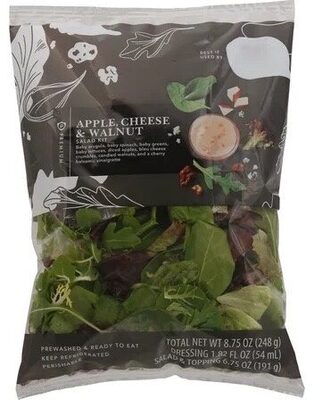
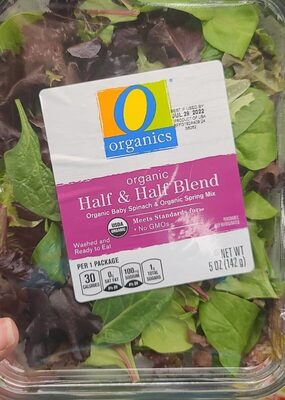
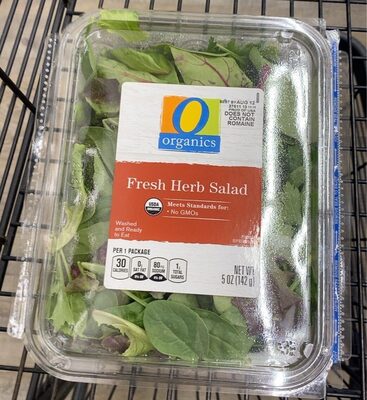
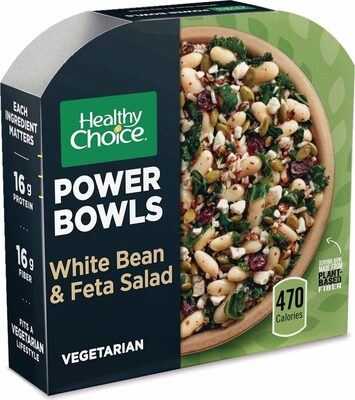
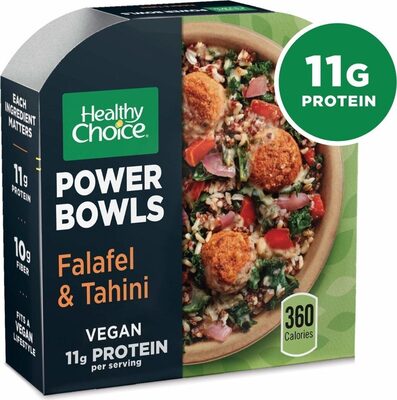
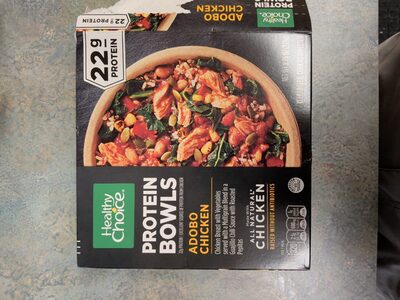
Foods that contain Chard
Compare products →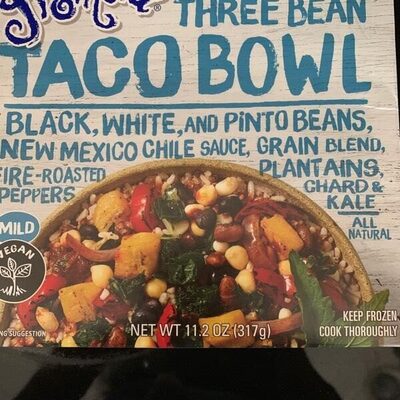
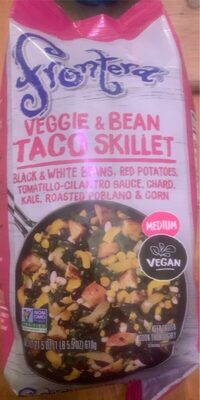
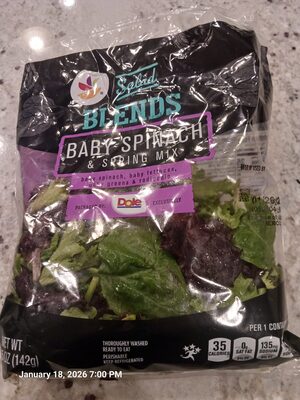
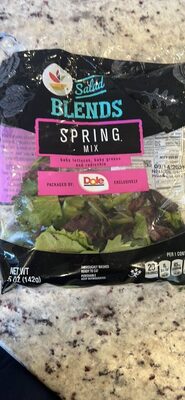
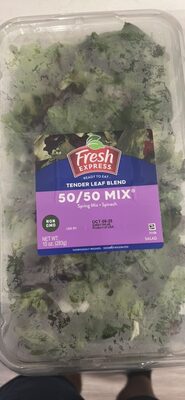
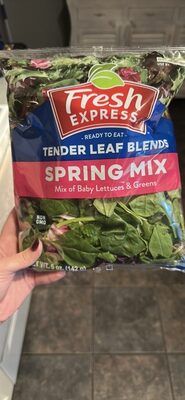
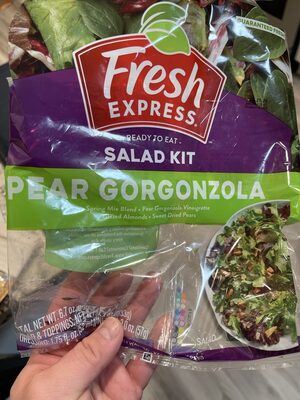
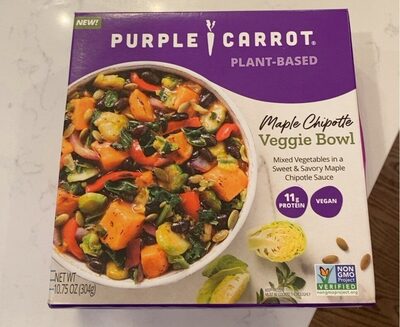
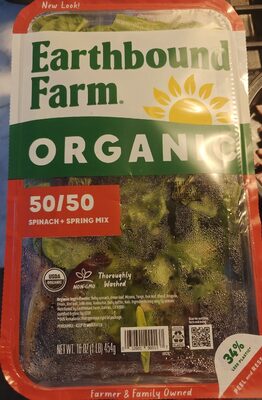
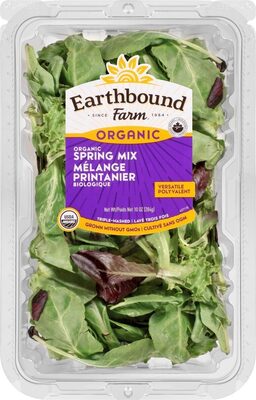
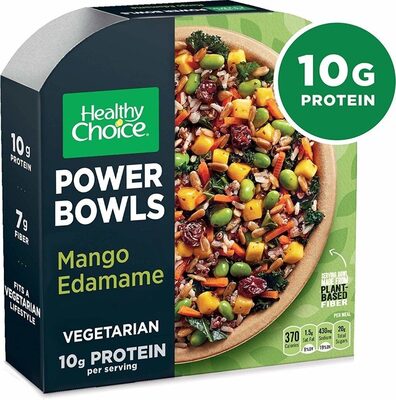
Auto-generated content. This description was generated automatically and is pending editorial review. Inaccuracies are possible. Found a mistake? Contact us.