Cheese Cultured
Auto-generated content. This description was generated automatically and is pending editorial review. Inaccuracies are possible. Found a mistake? Contact us.
What it is
Cultured cheese is a type of cheese made by adding specific live bacteria cultures to milk. These cultures ferment lactose (milk sugar) into lactic acid, which helps develop the cheese's flavor, texture, and aroma. The process is similar to how yogurt is made, but tailored for cheesemaking.
Why it's used
Manufacturers use cultured cheese for its distinct tangy flavor and improved texture in a variety of foods. It is often found in cheese blends, dips, spreads, and baked goods where a rich, complex cheese taste is desired.
Health notes
Cultured cheese is generally recognized as safe (GRAS) by the FDA for its intended use. The fermentation process can increase the bioavailability of certain nutrients. International bodies like JECFA have evaluated similar fermented dairy products. Evidence does not suggest adverse health effects from typical consumption levels.
Allergen info
Cultured cheese is derived from milk, which is one of the 9 FDA major allergens. It does not contain gluten.
Products containing Cheese Cultured
Compare products →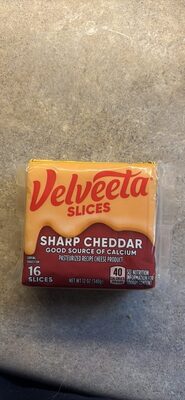 Kraft Heinz Foods Company
Slices Sharp Cheddar Cheese
190kcal
14.3Protein
9.5Fat
14.3Carbs
Meijer, Inc.
Parmesan Reduced Fat Style Grated Topping, Parmesan
300kcal
20Protein
10Fat
20Carbs
Target Stores
Chicken Bacon Ranch Bites, Chicken Bacon Ranch
High in sodium — 20% DV per serving
250kcal
11.8Protein
10.5Fat
27.6Carbs
Kraft Heinz Foods Company
Slices Sharp Cheddar Cheese
190kcal
14.3Protein
9.5Fat
14.3Carbs
Meijer, Inc.
Parmesan Reduced Fat Style Grated Topping, Parmesan
300kcal
20Protein
10Fat
20Carbs
Target Stores
Chicken Bacon Ranch Bites, Chicken Bacon Ranch
High in sodium — 20% DV per serving
250kcal
11.8Protein
10.5Fat
27.6Carbs