Cheese Cultures & Cellulose To Prevent Caking
Auto-generated content. This description was generated automatically and is pending editorial review. Inaccuracies are possible. Found a mistake? Contact us.
What it is
Cheese cultures are live or dried microorganisms, typically bacteria, used to ferment milk and produce cheese. Cellulose is a plant-derived fiber, commonly sourced from wood pulp or cotton. It is processed into a fine powder for food use.
Why it's used
Cheese cultures are essential for developing the characteristic flavors, textures, and aromas of various cheeses. Cellulose is used as an anti-caking agent in powdered or shredded cheeses, preventing them from clumping together. It is often found in frozen appetizers, bread doughs, and snack mixes.
Health notes
Both cheese cultures and cellulose are generally recognized as safe (GRAS) by the FDA for their intended uses. Cheese cultures contribute beneficial probiotics to some foods. Cellulose is a dietary fiber and is not absorbed by the body. JECFA has evaluated cellulose and established an acceptable daily intake. There are no widespread health controversies associated with these ingredients at typical consumption levels.
Allergen info
Cheese cultures are derived from dairy (milk), which is one of the 9 FDA major allergens. Cellulose is not a major allergen and does not contain gluten.
Products containing Cheese Cultures & Cellulose To Prevent Caking
Compare products →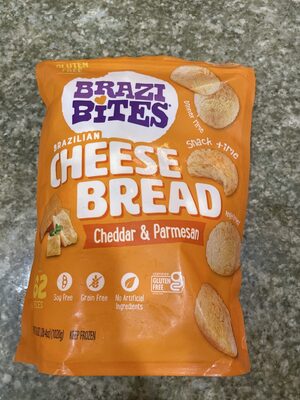 BRAZI BITES
Brazilian Cheese Bread, Cheddar & Parmesan
268kcal
6.4Protein
12.8Fat
31.9Carbs
BRAZI BITES
Brazilian Cheese Bread, Cheddar & Parmesan
268kcal
6.4Protein
12.8Fat
31.9Carbs
 Brazi Bites, LLC
Cheddar & Parmesan Brazilian Cheese Bread, Cheddar & Parmesan
277kcal
6.4Protein
12.8Fat
31.9Carbs
Brazi Bites, LLC
Cheddar & Parmesan Brazilian Cheese Bread, Cheddar & Parmesan
277kcal
6.4Protein
12.8Fat
31.9Carbs
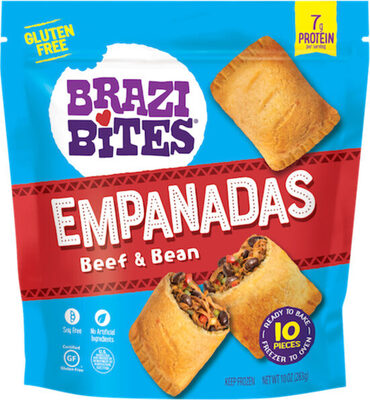 Brazi Bites, LLC
Beef & Bean Empanadas, Beef & Bean
259kcal
9.4Protein
14.1Fat
23.5Carbs
Brazi Bites, LLC
Beef & Bean Empanadas, Beef & Bean
259kcal
9.4Protein
14.1Fat
23.5Carbs
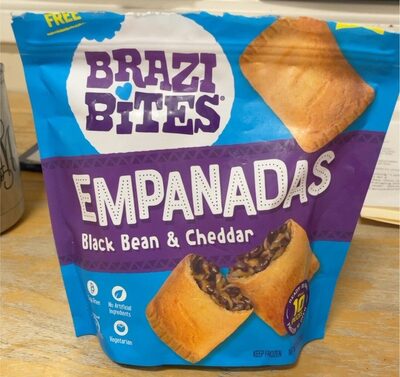 Brazi Bites, LLC
Black Bean & Cheddar Empanadas, Black Bean & Cheddar
247kcal
8.2Protein
10.6Fat
25.9Carbs
Brazi Bites, LLC
Black Bean & Cheddar Empanadas, Black Bean & Cheddar
247kcal
8.2Protein
10.6Fat
25.9Carbs
 Brazi Bites, LLC
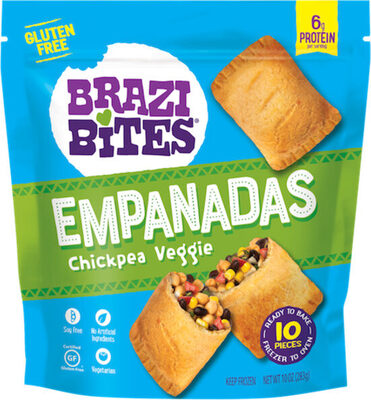
Chickpea Veggie Empanadas, Chickpea Veggie
235kcal
7.1Protein
11.8Fat
27.1Carbs
Brazi Bites, LLC
Chickpea Veggie Empanadas, Chickpea Veggie
235kcal
7.1Protein
11.8Fat
27.1Carbs
 Brazi Bites, LLC
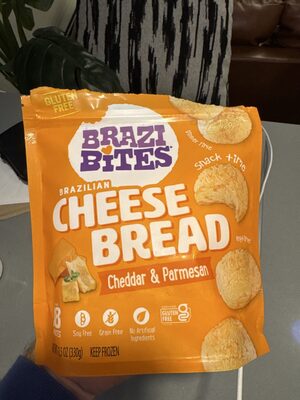
Cheddar & Parmesan Brazilian Cheese Bread, Cheddar & Parmesan
277kcal
6.4Protein
12.8Fat
31.9Carbs
Brazi Bites, LLC
Cheddar & Parmesan Brazilian Cheese Bread, Cheddar & Parmesan
277kcal
6.4Protein
12.8Fat
31.9Carbs
 Brazi Bites, LLC
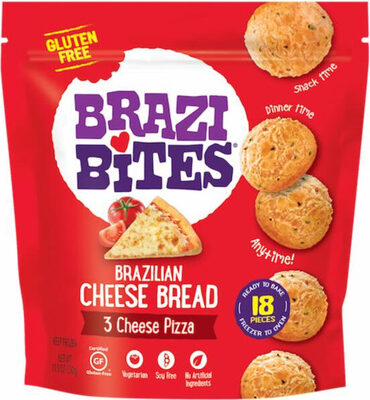
3 Cheese Pizza Brazilian Cheese Bread, 3 Cheese Pizza
277kcal
6.4Protein
14.9Fat
31.9Carbs
Brazi Bites, LLC
3 Cheese Pizza Brazilian Cheese Bread, 3 Cheese Pizza
277kcal
6.4Protein
14.9Fat
31.9Carbs
 Brazi Bites, LLC
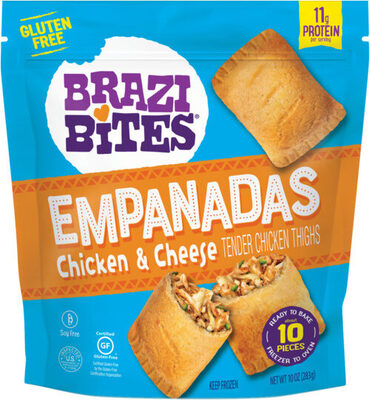
Chicken & Cheese Tender Chicken Thighs Empanadas, Chicken & Cheese
271kcal
12.9Protein
12.9Fat
25.9Carbs
Brazi Bites, LLC
Chicken & Cheese Tender Chicken Thighs Empanadas, Chicken & Cheese
271kcal
12.9Protein
12.9Fat
25.9Carbs