Concentrated Butter
What is Concentrated Butter?
Concentrated butter, also known as butter oil or anhydrous milkfat, is butter with most of its water and milk solids removed. It is made by heating butter and skimming off the pure butterfat. This process creates a stable fat with a higher smoke point than regular butter.
Is Concentrated Butter vegan?
No. Concentrated Butter is animal-derived, so it is not vegan.
Is Concentrated Butter gluten-free?
It does not contain gluten.
Is Concentrated Butter a major allergen?
Concentrated butter is derived from milk, which is one of the 9 FDA major allergens.
What is Concentrated Butter used for?
Manufacturers use concentrated butter as a fat source that adds rich flavor and a smooth texture to foods.
Is Concentrated Butter safe?
Concentrated butter is generally recognized as safe (GRAS) by the FDA as a food ingredient.
Why it's used
Manufacturers use concentrated butter as a fat source that adds rich flavor and a smooth texture to foods. Its stability makes it ideal for baked goods like breads and pastries, as well as in confectionery like chocolate bars. It is also used in sauces and cooking oils.
Health notes
Concentrated butter is generally recognized as safe (GRAS) by the FDA as a food ingredient. It is primarily a source of saturated fat. The Joint FAO/WHO Expert Committee on Food Additives (JECFA) has evaluated butterfat and established an acceptable daily intake. Evidence on the health effects of saturated fat intake is mixed, with some studies linking high intake to increased risk of heart disease, while others suggest the relationship is more complex.
Allergen info
Concentrated butter is derived from milk, which is one of the 9 FDA major allergens. It does not contain gluten.
Foods that contain Concentrated Butter
Compare products →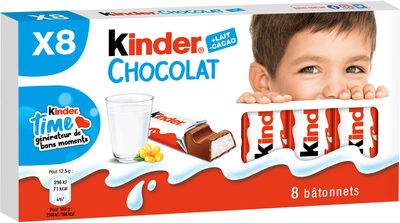

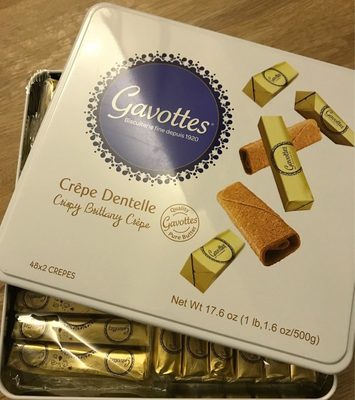

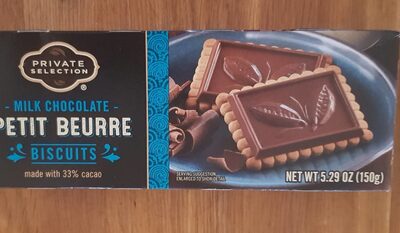
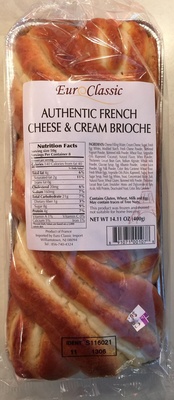

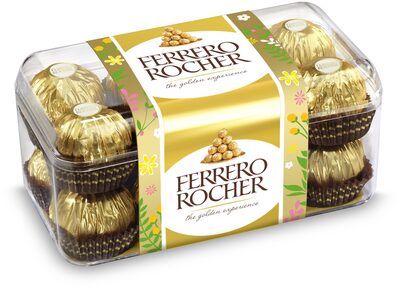
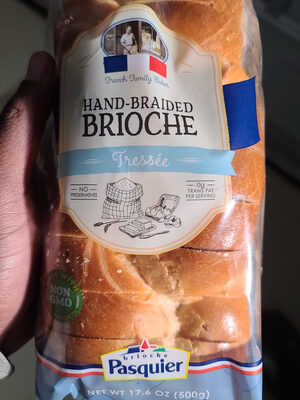


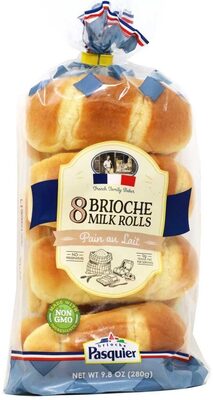


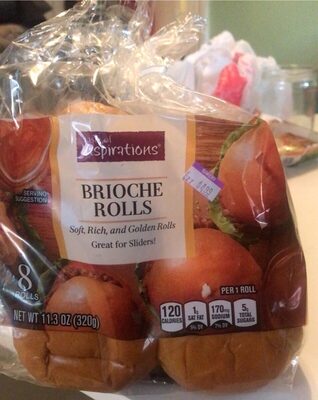
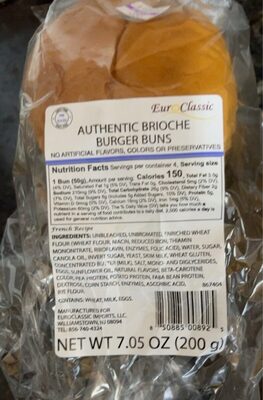
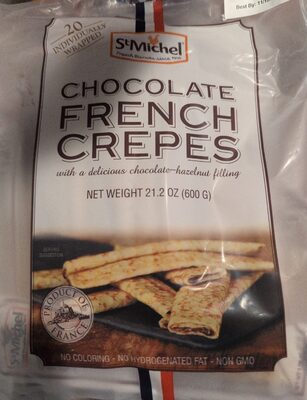

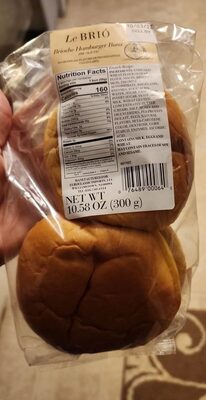

Learn more
Auto-generated content. This description was generated automatically and is pending editorial review. Inaccuracies are possible. Found a mistake? Contact us.