Contains Up To 2% Retained Water
This entry is a label phrase. See the main ingredient page: Up To 2% Retained Water.
What is Contains Up To 2% Retained Water?
Retained water refers to the water that remains in a food product after processing. It is not an added ingredient but rather a component of the food itself, often found in processed meats and poultry where it can be absorbed during cooking or brining.
Is Contains Up To 2% Retained Water a major allergen?
Not a major allergen.
What is Contains Up To 2% Retained Water used for?
Manufacturers may allow for a small percentage of retained water, typically up to 2%, in certain food products.
Is Contains Up To 2% Retained Water safe?
Retained water is a natural component of many foods and is not typically associated with health concerns when present in small amounts.
Why it's used
Manufacturers may allow for a small percentage of retained water, typically up to 2%, in certain food products. This is usually to help maintain moisture and texture, especially in processed items like deli meats or pre-cooked meals, ensuring they remain palatable after packaging and handling.
Health notes
Retained water is a natural component of many foods and is not typically associated with health concerns when present in small amounts. Regulatory bodies like the FDA do not specifically regulate 'retained water' as an additive. Its presence is a result of food processing and does not pose a risk at the levels usually found in food.
Allergen info
Not a major allergen.
Foods that contain Contains Up To 2% Retained Water
Compare products →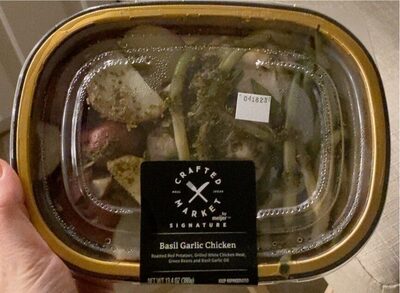
Auto-generated content. This description was generated automatically and is pending editorial review. Inaccuracies are possible. Found a mistake? Contact us.