Cooked Pollock
What is Cooked Pollock?
Cooked pollock is a white fish that is part of the cod family. It is typically found in cold, deep waters of the North Pacific and North Atlantic oceans. The fish is usually cooked through methods like baking, steaming, or frying before being used in food products.
Is Cooked Pollock vegan?
No. Cooked Pollock is animal-derived, so it is not vegan.
Is Cooked Pollock a major allergen?
Pollock is a type of fish, which is one of the nine major allergens recognized by the FDA.
What is Cooked Pollock used for?
Cooked pollock is often used as a protein source and a main ingredient in seafood dishes.
Is Cooked Pollock safe?
Pollock is a source of protein and omega-3 fatty acids.
Why it's used
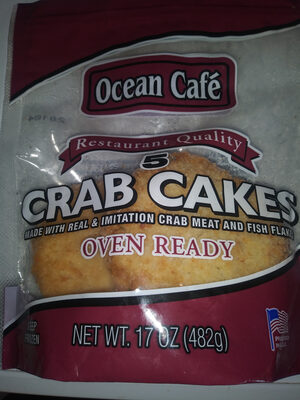
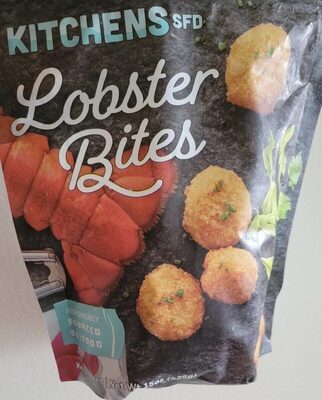
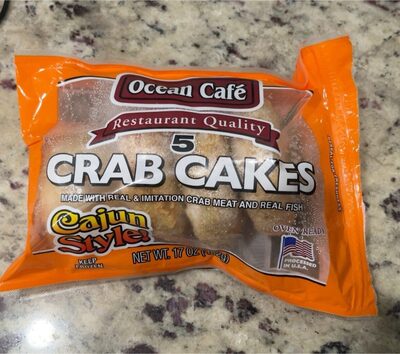
Cooked pollock is often used as a protein source and a main ingredient in seafood dishes. Its flaky texture and mild flavor make it suitable for products like imitation crab meat, fish cakes, and breaded seafood items. It is frequently found in frozen appetizers and entrees.
Health notes
Pollock is a source of protein and omega-3 fatty acids. The FDA considers fish generally safe for consumption. International bodies like JECFA have evaluated fish and seafood products. Like other seafood, pollock may contain trace amounts of mercury, and consumption guidelines often recommend a variety of fish to limit exposure.
Allergen info
Pollock is a type of fish, which is one of the nine major allergens recognized by the FDA. People with a fish allergy should avoid consuming pollock.
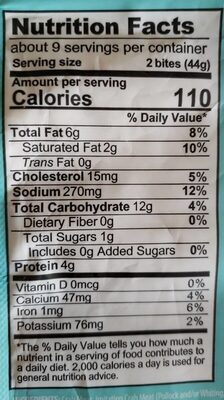
Foods that contain Cooked Pollock
Compare products →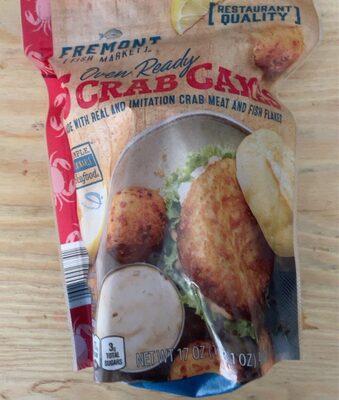
Learn more
Auto-generated content. This description was generated automatically and is pending editorial review. Inaccuracies are possible. Found a mistake? Contact us.