Crackers
What is Crackers?
Crackers are thin, crisp baked goods, usually made from flour, water, and salt. They are typically leavened with baking soda or yeast and baked until dry and crunchy. Crackers come in many shapes and sizes, and can be plain or flavored.
Is Crackers gluten-free?
Most crackers are made from wheat flour, which is one of the nine major food allergens and contains gluten.
What is Crackers used for?
Crackers are primarily eaten on their own or with toppings like cheese, dips, or spreads.
Is Crackers safe?
Crackers are a food product and are generally recognized as safe for consumption.
Why it's used
Crackers are primarily eaten on their own or with toppings like cheese, dips, or spreads. In packaged foods, they often serve as a base for snacks or as a component in meal kits. They add a desirable crisp texture and a neutral or complementary flavor to other ingredients.
Health notes
Crackers are a food product and are generally recognized as safe for consumption. Their health impact depends on their nutritional content, such as sodium, fat, and refined grains. No specific regulatory body like FDA, JECFA, or EFSA evaluates "crackers" as an additive. The Dietary Guidelines for Americans recommend limiting intake of refined grains and sodium, which are often present in crackers.
Allergen info
Most crackers are made from wheat flour, which is one of the nine major food allergens and contains gluten. Gluten-free options are available, but the general term "crackers" implies wheat.
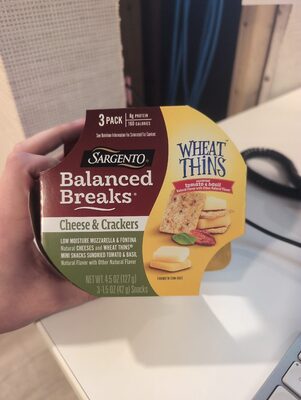
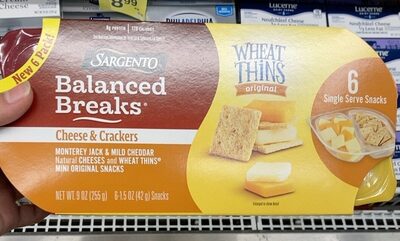
Foods that contain Crackers
Compare products →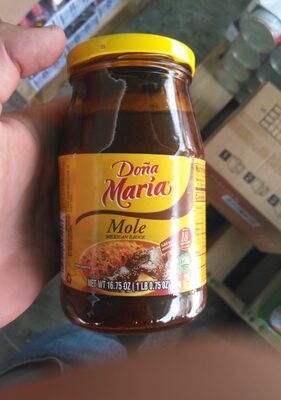
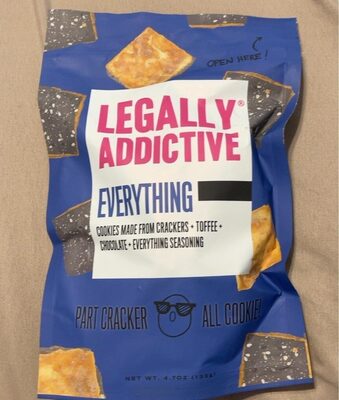
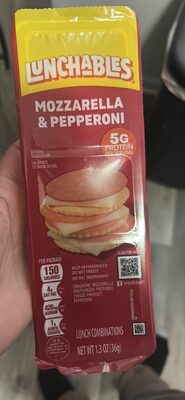
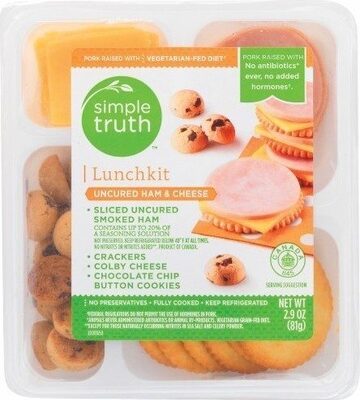
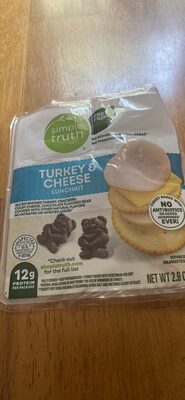
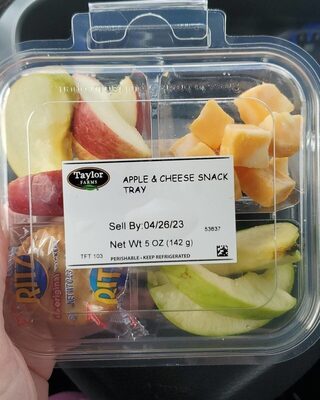
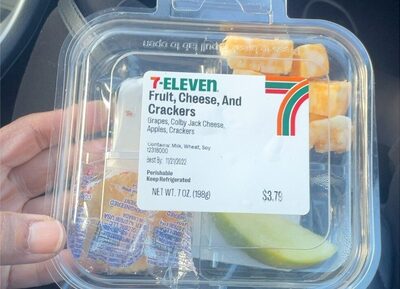
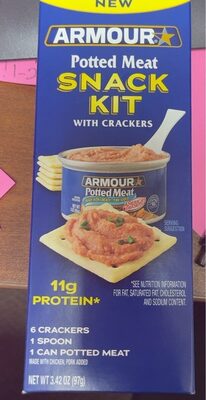
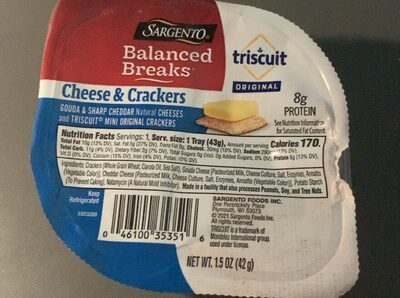
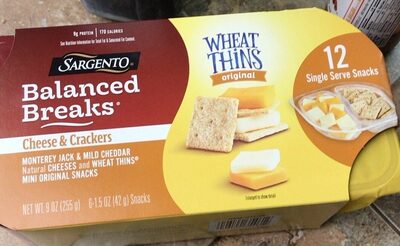
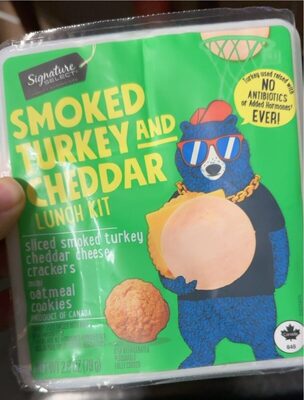
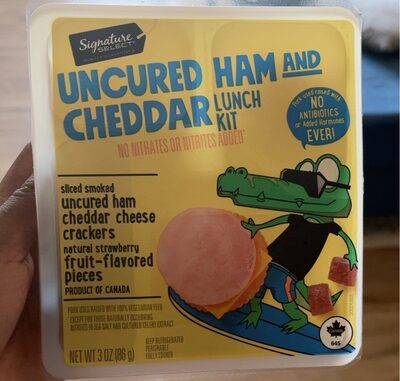
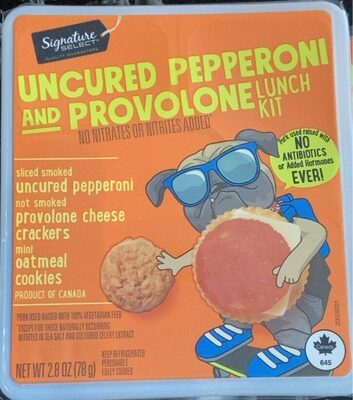
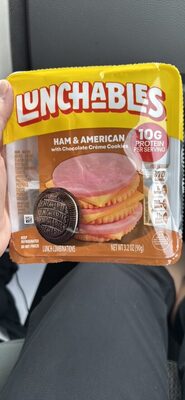
Learn more
Auto-generated content. This description was generated automatically and is pending editorial review. Inaccuracies are possible. Found a mistake? Contact us.