Creamed Coconut
What is Creamed Coconut?
Creamed coconut is a thick, unsweetened paste made from the flesh of mature coconuts. The coconut flesh is dried, then ground into a fine paste, often with a small amount of water to achieve the desired consistency. It is a concentrated form of coconut flavor and fat.
Is Creamed Coconut vegan?
Creamed Coconut is not animal-derived. Products that contain it can still include other animal-derived ingredients, so check the full ingredient list.
Is Creamed Coconut a major allergen?
Coconut is botanically classified as a fruit, not a tree nut, and is not one of the nine FDA major allergens.
What is Creamed Coconut used for?
Manufacturers use creamed coconut to add a rich, distinct coconut flavor and creamy texture to foods.
Is Creamed Coconut safe?
Creamed coconut is generally recognized as safe (GRAS) by the FDA for use in food.
Why it's used
Manufacturers use creamed coconut to add a rich, distinct coconut flavor and creamy texture to foods. It is commonly found in desserts like ice cream and baked goods, as well as in savory dishes, sauces, and marinades, particularly in Asian and ethnic cuisines.
Health notes
Creamed coconut is generally recognized as safe (GRAS) by the FDA for use in food. It is a source of saturated fat, primarily medium-chain triglycerides (MCTs). JECFA has evaluated coconut oil, a component of creamed coconut, and established an acceptable daily intake. Evidence on the health effects of coconut oil consumption is mixed, with some studies suggesting potential benefits and others raising concerns about its impact on cholesterol levels.
Allergen info
Coconut is botanically classified as a fruit, not a tree nut, and is not one of the nine FDA major allergens. Therefore, creamed coconut is not a major allergen.
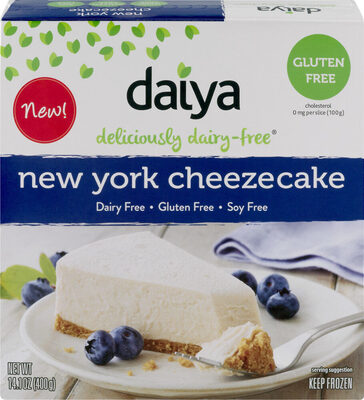
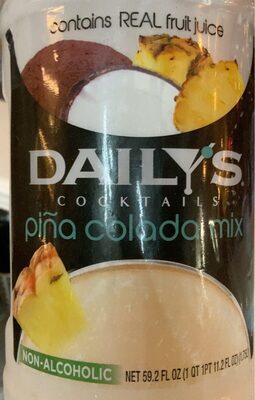
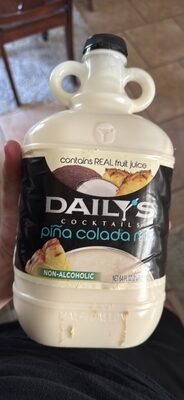
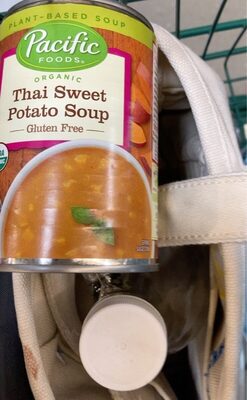
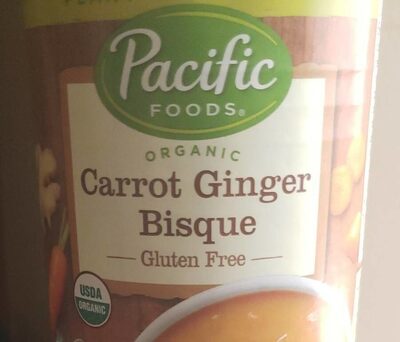
Foods that contain Creamed Coconut
Compare products →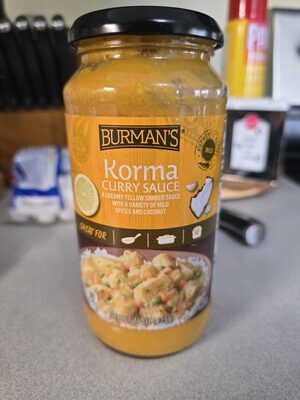
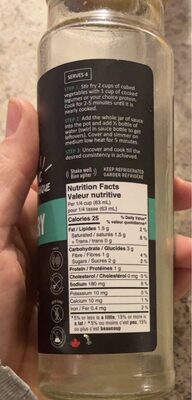
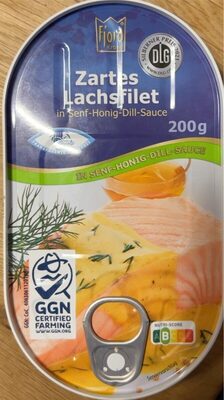
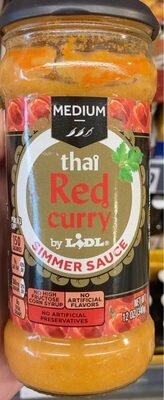
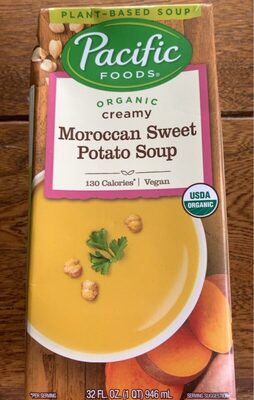

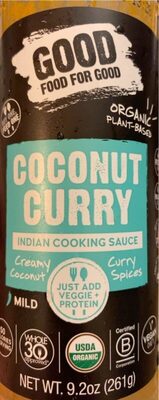
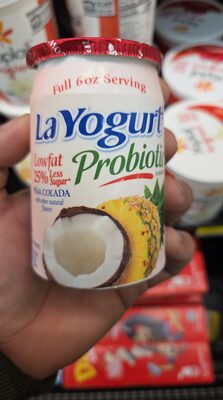
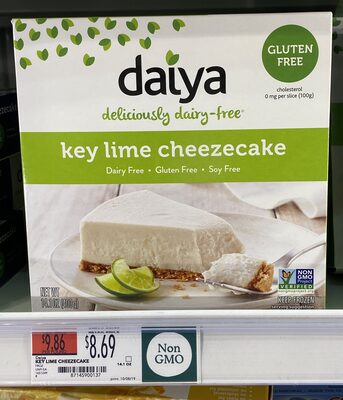
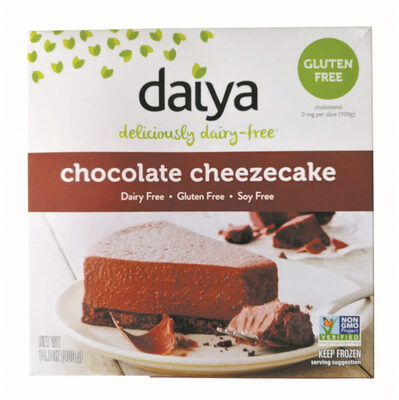
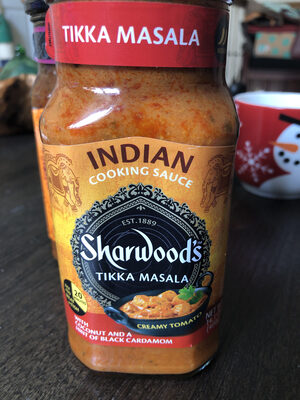
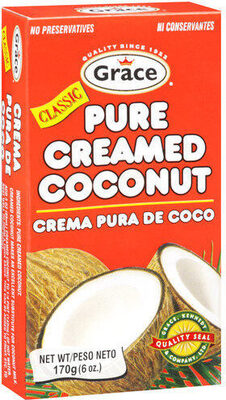
Learn more
Auto-generated content. This description was generated automatically and is pending editorial review. Inaccuracies are possible. Found a mistake? Contact us.