Culture Starter
Auto-generated content. This description was generated automatically and is pending editorial review. Inaccuracies are possible. Found a mistake? Contact us.
What it is
A culture starter is a mixture of live microorganisms, often bacteria or yeasts, used to begin or speed up fermentation in food production. These cultures are carefully selected for their ability to produce specific flavors, textures, or preservation qualities in foods like cheese, yogurt, and bread. They are typically grown in a controlled environment before being added to the food product.
Why it's used
Culture starters are essential for developing the characteristic flavors and textures of fermented foods. In cheesemaking, they help break down milk sugars and proteins, contributing to flavor development and curd formation. In baking, they are used to leaven dough and add complex flavors to bread, often referred to as sourdough starters.
Health notes
Culture starters are generally recognized as safe (GRAS) by the FDA for their intended use in food. The microorganisms used are often beneficial probiotics that can contribute to gut health. International bodies like JECFA have evaluated many starter cultures, and EFSA has also assessed their safety. Evidence suggests they are safe when consumed as part of a normal diet.
Allergen info
Culture starters themselves are not derived from the major allergens. However, depending on the specific food product they are used in, cross-contamination with allergens like milk or wheat is possible. Gluten is not typically associated with culture starters unless they are grown on a gluten-containing medium, which is uncommon.
Products containing Culture Starter
Compare products →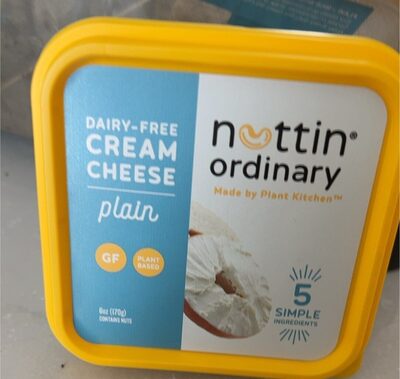 Nuttin Ordinary LLC
Plain Cashew Cheese, Plain
321kcal
10.7Protein
25Fat
17.9Carbs
Nuttin Ordinary LLC
Plain Cashew Cheese, Plain
321kcal
10.7Protein
25Fat
17.9Carbs