Cultured Pasteurized Milk & Cream
Auto-generated content. This description was generated automatically and is pending editorial review. Inaccuracies are possible. Found a mistake? Contact us.
What it is
Cultured pasteurized milk and cream is a dairy product made by adding a starter culture of bacteria to pasteurized milk and cream. These bacteria ferment the lactose (milk sugar) into lactic acid, which thickens the product and gives it a tangy flavor. It is essentially the base ingredient for sour cream and crème fraîche.
Why it's used
Manufacturers use cultured pasteurized milk and cream as a flavoring and texturizing agent. Its creamy texture and slightly sour taste make it a popular addition to dips, sauces, soups, and baked goods. It is also a key ingredient in many dairy-based desserts and frozen treats.
Health notes
Cultured pasteurized milk and cream is generally recognized as safe (GRAS) by the FDA when used as intended. It is a source of calcium and protein. Regulatory bodies like JECFA and EFSA have evaluated similar dairy products. Consuming dairy products like this is part of a balanced diet for many people, but individuals with lactose intolerance or milk allergies should avoid it.
Allergen info
This ingredient is derived from milk, which is one of the 9 FDA major allergens. It does not contain gluten.
Products containing Cultured Pasteurized Milk & Cream
Compare products →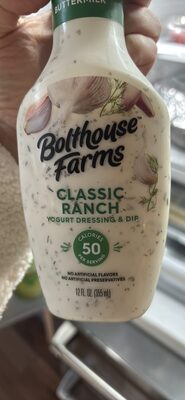 Wm. Bolthouse Farms Inc.
Classic Ranch Yogurt Dressing & Dip, Classic Ranch
167kcal
3.3Protein
11.7Fat
10Carbs
Winn-Dixie Stores, Inc.
Real Premium Ice Cream
High in saturated fat — 30% DV per serving
271kcal
2.9Protein
14.3Fat
32.9Carbs
Wm. Bolthouse Farms Inc.
Classic Ranch Yogurt Dressing & Dip, Classic Ranch
167kcal
3.3Protein
11.7Fat
10Carbs
Winn-Dixie Stores, Inc.
Real Premium Ice Cream
High in saturated fat — 30% DV per serving
271kcal
2.9Protein
14.3Fat
32.9Carbs