Cultured Pasteurized Sheep's Milk
Auto-generated content. This description was generated automatically and is pending editorial review. Inaccuracies are possible. Found a mistake? Contact us.
What it is
This is milk from sheep that has been pasteurized (heated to kill harmful bacteria) and then cultured. Culturing involves adding specific bacteria, which ferment the milk's natural sugars, creating a tangy flavor and thicker texture similar to yogurt.
Why it's used
Manufacturers use cultured sheep's milk primarily to produce cheeses, giving them a distinct flavor and texture. It is also used in other dairy products and sometimes in sauces or prepared meals where a rich, slightly tangy dairy component is desired.
Health notes
Cultured pasteurized sheep's milk is generally recognized as safe (GRAS) by the FDA for its intended use as a food ingredient. It is a source of protein, calcium, and other nutrients found in milk. International bodies like JECFA have evaluated milk and dairy products, but specific evaluations for cultured sheep's milk as a distinct ingredient are not widely published.
Allergen info
Sheep's milk is a major allergen. It is not related to gluten.
Products containing Cultured Pasteurized Sheep's Milk
Compare products →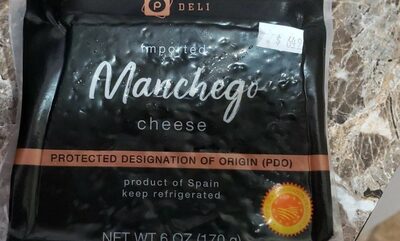 Publix Super Markets, Inc.
Manchego Cheese, Manchego
High in saturated fat — 35% DV per serving
429kcal
25Protein
35.7Fat
0Carbs
Publix Super Markets, Inc.
Manchego Cheese, Manchego
High in saturated fat — 35% DV per serving
429kcal
25Protein
35.7Fat
0Carbs
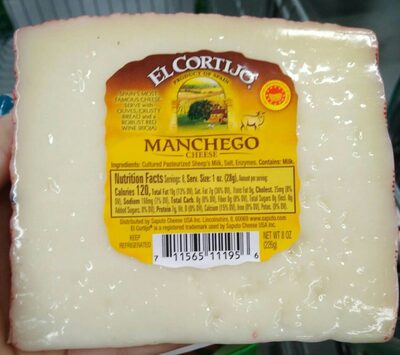 Saputo Cheese USA Inc.
Manchego Cheese
High in saturated fat — 35% DV per serving
429kcal
25Protein
35.7Fat
0Carbs
Wakefern Food Corporation
Manchego Cheese, Manchego
High in saturated fat — 35% DV per serving
429kcal
25Protein
35.7Fat
0Carbs
Sauce Club, Inc.
Bolognese Sauce, Bolognese
High in sodium — 24% DV per serving
80kcal
3.5Protein
4.4Fat
7.1Carbs
Saputo Cheese USA Inc.
Manchego Cheese
High in saturated fat — 35% DV per serving
429kcal
25Protein
35.7Fat
0Carbs
Wakefern Food Corporation
Manchego Cheese, Manchego
High in saturated fat — 35% DV per serving
429kcal
25Protein
35.7Fat
0Carbs
Sauce Club, Inc.
Bolognese Sauce, Bolognese
High in sodium — 24% DV per serving
80kcal
3.5Protein
4.4Fat
7.1Carbs