Cultured Rye Flour
What is Cultured Rye Flour?
Cultured rye flour is made by fermenting rye flour with beneficial bacteria and yeasts. This process, often called 'culturing,' changes the flour's flavor and texture. It is used as a leavening agent and flavor enhancer in baked goods.
Is Cultured Rye Flour vegan?
Cultured Rye Flour is not animal-derived. Products that contain it can still include other animal-derived ingredients, so check the full ingredient list.
Is Cultured Rye Flour gluten-free?
Cultured rye flour is derived from rye, which contains gluten.
What is Cultured Rye Flour used for?
Cultured rye flour is primarily used in baking to improve the rise and add a tangy, complex flavor to breads, rolls, and other baked items.
Is Cultured Rye Flour safe?
In the United States, cultured rye flour is generally recognized as safe (GRAS) by the FDA for use in food.
Why it's used
Cultured rye flour is primarily used in baking to improve the rise and add a tangy, complex flavor to breads, rolls, and other baked items. It acts as a natural leavening agent, helping doughs to rise and develop a desirable texture. It is commonly found in rye breads, sandwich rolls, and other savory baked goods.
Health notes
In the United States, cultured rye flour is generally recognized as safe (GRAS) by the FDA for use in food. It is a fermented food product, and fermentation can increase the bioavailability of nutrients and create beneficial compounds. International bodies like JECFA have evaluated similar fermented products. Evidence does not suggest adverse health effects from typical consumption.
Allergen info
Cultured rye flour is derived from rye, which contains gluten. Therefore, it is not suitable for individuals with celiac disease or gluten sensitivity.
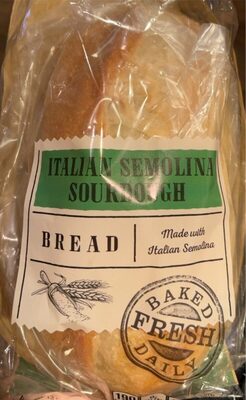
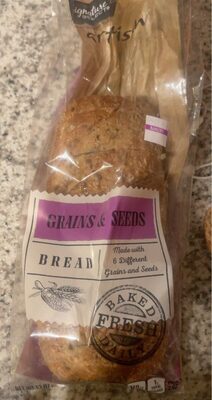
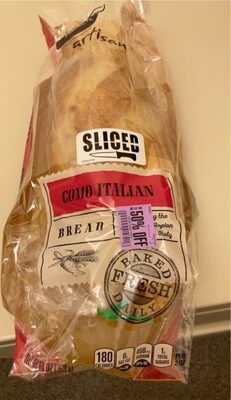
Foods that contain Cultured Rye Flour
Compare products →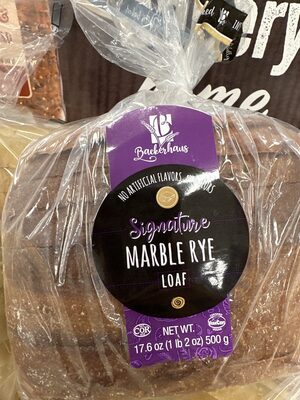
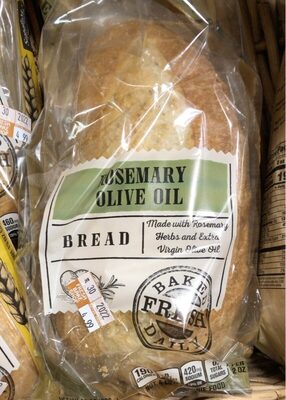
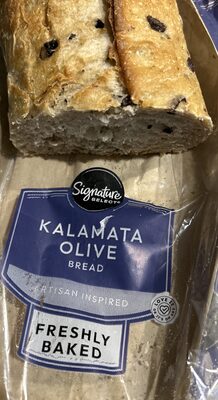
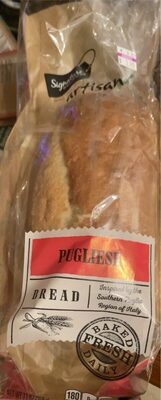
Learn more
Auto-generated content. This description was generated automatically and is pending editorial review. Inaccuracies are possible. Found a mistake? Contact us.