Cultured Skim Milk
What is Cultured Skim Milk?
Cultured skim milk is made from skim milk that has been fermented by beneficial bacteria, often called probiotics. This process changes the milk's flavor and texture, making it tangy and thicker. It is commonly used as a base for dairy products.
Is Cultured Skim Milk vegan?
No. Cultured Skim Milk is animal-derived, so it is not vegan.
Is Cultured Skim Milk gluten-free?
It does not contain gluten.
Is Cultured Skim Milk a major allergen?
Cultured skim milk is derived from milk, which is one of the 9 FDA major allergens.
What is Cultured Skim Milk used for?
Manufacturers add cultured skim milk for its tangy flavor and thickening properties.
Is Cultured Skim Milk safe?
Cultured skim milk is generally recognized as safe (GRAS) by the FDA.
Why it's used
Manufacturers add cultured skim milk for its tangy flavor and thickening properties. It is often used in yogurt, sour cream, and some dressings and dips. It can also add a creamy texture to baked goods and dairy-based desserts.
Health notes
Cultured skim milk is generally recognized as safe (GRAS) by the FDA. The fermentation process can increase the levels of beneficial probiotics, which are sometimes associated with improved gut health. International bodies like JECFA have evaluated similar fermented dairy products. Evidence regarding specific health benefits of probiotics is ongoing and complex.
Allergen info
Cultured skim milk is derived from milk, which is one of the 9 FDA major allergens. It does not contain gluten.
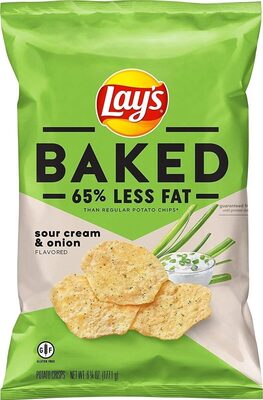
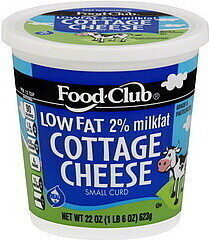
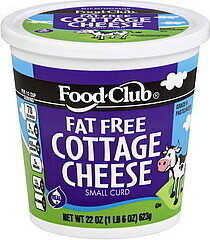
Foods that contain Cultured Skim Milk
Compare products →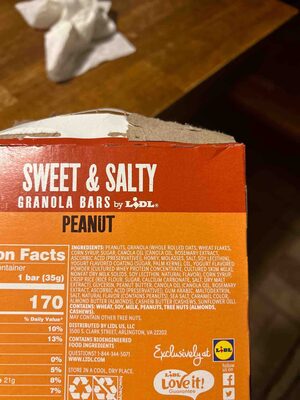
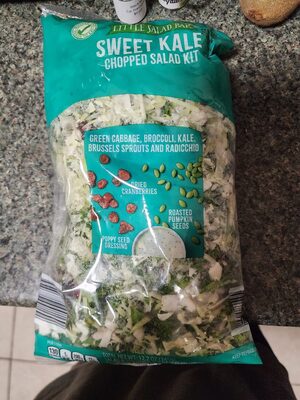
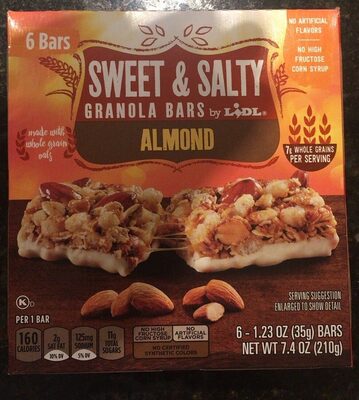
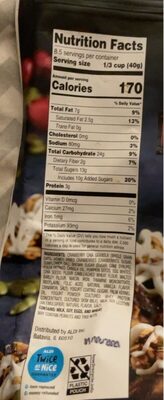
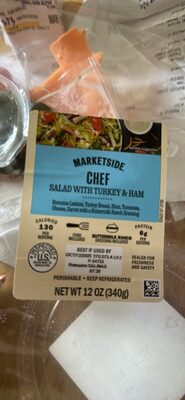
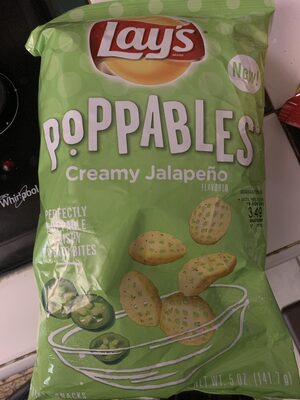
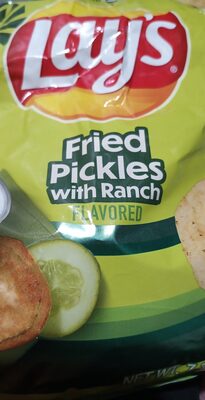
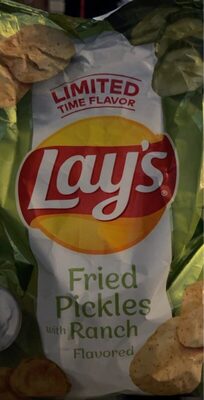
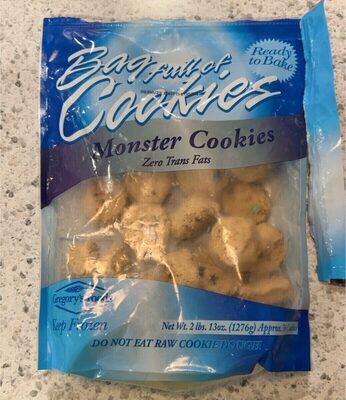
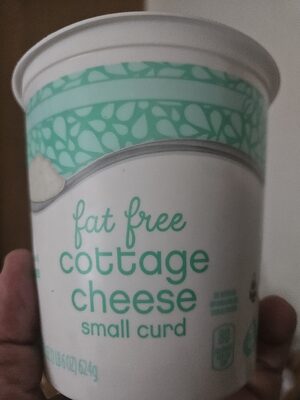
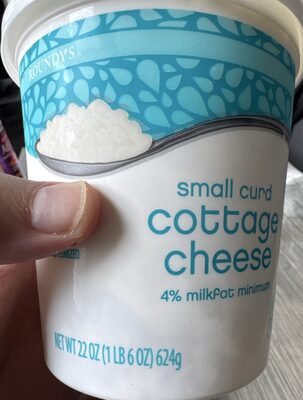
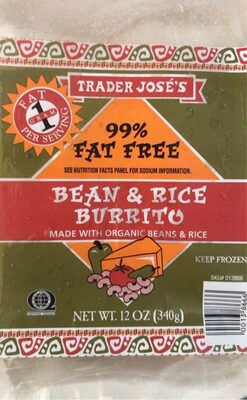
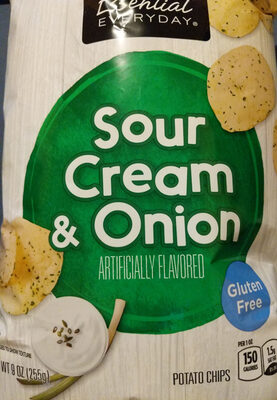
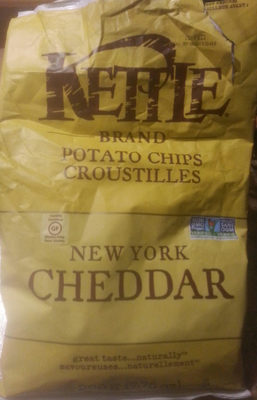
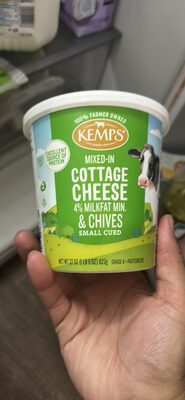
Learn more
Auto-generated content. This description was generated automatically and is pending editorial review. Inaccuracies are possible. Found a mistake? Contact us.