Dark Meat Chicken
What is Dark Meat Chicken?
Dark meat chicken refers to cuts from the legs and thighs of a chicken. These parts contain more fat and connective tissue than white meat, giving them a richer flavor and darker color. It is a common source of animal protein in many food products.
Is Dark Meat Chicken vegan?
No. Dark Meat Chicken is animal-derived, so it is not vegan.
Is Dark Meat Chicken a major allergen?
Not a major allergen.
What is Dark Meat Chicken used for?
Dark meat chicken is used by manufacturers primarily as a protein source and for its distinct flavor and texture.
Is Dark Meat Chicken safe?
As a whole food ingredient, dark meat chicken is regulated by the FDA for safety and proper labeling, not as a food additive.
Why it's used
Dark meat chicken is used by manufacturers primarily as a protein source and for its distinct flavor and texture. It is often found in savory dishes such as frozen entrees, soups, stews, and appetizers. Its higher fat content helps keep dishes moist and flavorful.
Health notes
As a whole food ingredient, dark meat chicken is regulated by the FDA for safety and proper labeling, not as a food additive. It is a good source of protein, iron, and zinc. The 2025-2030 Dietary Guidelines for Americans recommend choosing lean protein sources, and while dark meat chicken contains more fat than white meat, it can be part of a healthy diet in appropriate portions. JECFA and EFSA do not typically evaluate whole food ingredients like chicken in the same way they do food additives.
Allergen info
Not a major allergen.
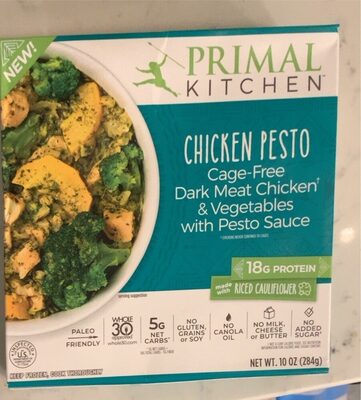
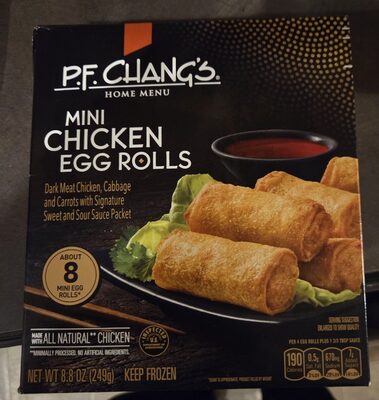
Foods that contain Dark Meat Chicken
Compare products →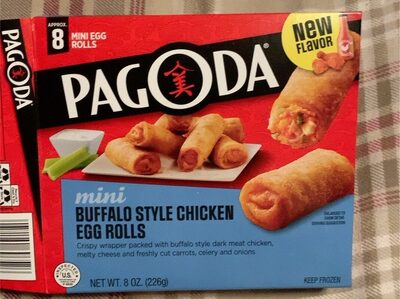





Learn more
Auto-generated content. This description was generated automatically and is pending editorial review. Inaccuracies are possible. Found a mistake? Contact us.