Deodorized Lard
What is Deodorized Lard?
Deodorized lard is a type of pork fat that has been processed to remove its natural odor and flavor. It is rendered from the fatty tissue of pigs. The deodorization process typically involves steam or other methods to purify the fat.
Is Deodorized Lard vegan?
No. Deodorized Lard is animal-derived, so it is not vegan.
Is Deodorized Lard gluten-free?
It does not contain gluten.
Is Deodorized Lard a major allergen?
Not a major allergen.
What is Deodorized Lard used for?
Manufacturers use deodorized lard as a cooking fat and shortening.
Is Deodorized Lard safe?
Deodorized lard is generally recognized as safe (GRAS) by the FDA for use in food.
Why it's used
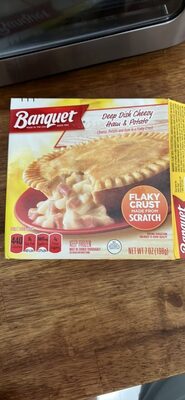
Manufacturers use deodorized lard as a cooking fat and shortening. Its neutral flavor and texture make it suitable for a variety of baked goods, particularly pastries and pie crusts, where it can contribute to flakiness. It is also used in some savory dishes.
Health notes
Deodorized lard is generally recognized as safe (GRAS) by the FDA for use in food. It is a source of fat, including saturated fat. Regulatory bodies like JECFA and EFSA have evaluated fats and oils, but specific evaluations for deodorized lard's health effects at typical intake levels are not widely publicized. Like other animal fats, its consumption should be considered within the context of a balanced diet.
Allergen info
Not a major allergen. Lard is derived from pork, which is not one of the nine major allergens recognized by the FDA. It does not contain gluten.
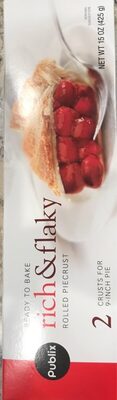
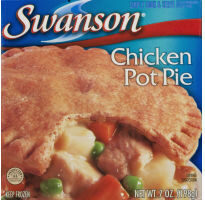
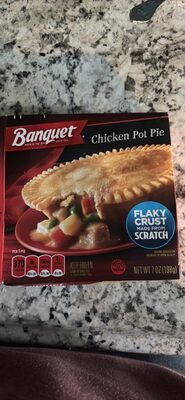
Foods that contain Deodorized Lard
Compare products →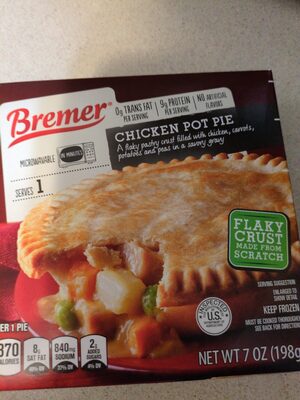
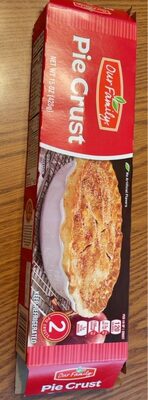
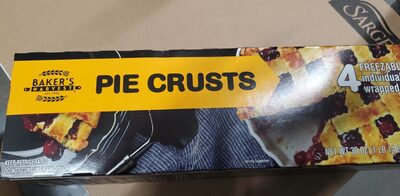
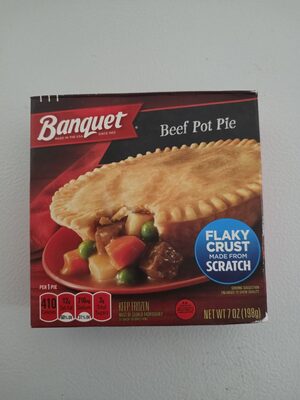
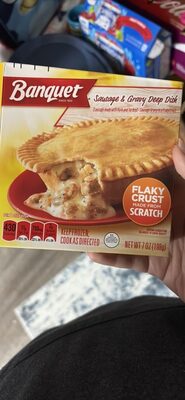
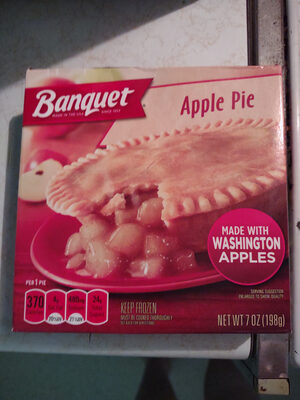
Learn more
Auto-generated content. This description was generated automatically and is pending editorial review. Inaccuracies are possible. Found a mistake? Contact us.