Deproteinized Whey
Auto-generated content. This description was generated automatically and is pending editorial review. Inaccuracies are possible. Found a mistake? Contact us.
What it is
Deproteinized whey is a byproduct of cheese and whey protein concentrate production. It is made by removing most of the protein and fat from liquid whey, a milk-derived liquid. The remaining liquid is then processed to remove minerals and lactose, leaving a concentrated source of whey components.
Why it's used
Manufacturers use deproteinized whey as a flavoring agent and a source of milk solids. It can add a creamy, slightly sweet taste to foods. It is commonly found in baked goods like crackers, cakes, and cookies, as well as in snack foods.
Health notes
Deproteinized whey is generally recognized as safe (GRAS) by the FDA when used as a food ingredient. Regulatory bodies like JECFA and EFSA have evaluated whey components, but specific evaluations for deproteinized whey may vary. At typical consumption levels, it is not associated with adverse health effects. Evidence does not suggest significant health concerns for most consumers.
Allergen info
Deproteinized whey is derived from milk, which is one of the nine major allergens recognized by the FDA. It does not contain gluten.
Products containing Deproteinized Whey
Compare products →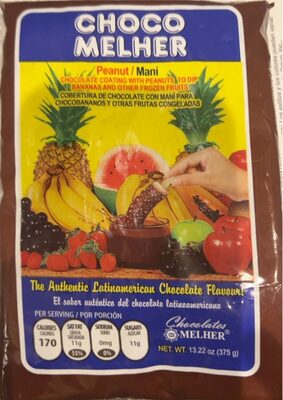 North Country Action Sports Inc.
Chocolate Coating With Peanuts To Dip Bananas And Other Frozen Fruits Choco Melher, Peanut
High in saturated fat — 55% DV per serving
607kcal
0Protein
46.4Fat
53.6Carbs
Laureate Imports Company
Kaukauna, Genuine Wisconsin Spreadable Cheese
357kcal
17.9Protein
25Fat
17.9Carbs
Snyder's-Lance, Inc.
Lance, Cracker Sandwiches, Pizza
513kcal
7.7Protein
23.1Fat
64.1Carbs
Snyder's-Lance, Inc.
Lance, Captain's Wafer, Cracker Sandwiches, Jalapeno Cheddar, Jalapeno Cheddar
High in saturated fat — 20% DV per serving
564kcal
7.7Protein
33.3Fat
56.4Carbs
North Country Action Sports Inc.
Chocolate Coating With Peanuts To Dip Bananas And Other Frozen Fruits Choco Melher, Peanut
High in saturated fat — 55% DV per serving
607kcal
0Protein
46.4Fat
53.6Carbs
Laureate Imports Company
Kaukauna, Genuine Wisconsin Spreadable Cheese
357kcal
17.9Protein
25Fat
17.9Carbs
Snyder's-Lance, Inc.
Lance, Cracker Sandwiches, Pizza
513kcal
7.7Protein
23.1Fat
64.1Carbs
Snyder's-Lance, Inc.
Lance, Captain's Wafer, Cracker Sandwiches, Jalapeno Cheddar, Jalapeno Cheddar
High in saturated fat — 20% DV per serving
564kcal
7.7Protein
33.3Fat
56.4Carbs