Diluted To 5% Acidity
Auto-generated content. This description was generated automatically and is pending editorial review. Inaccuracies are possible. Found a mistake? Contact us.
What it is
Diluted to 5% acidity is a common strength for vinegar, which is a liquid made by a two-step fermentation process. First, sugars from sources like fruit or grains are fermented into alcohol. Then, a second fermentation turns the alcohol into acetic acid, which gives vinegar its sour taste and pungent smell.
Why it's used
Manufacturers use diluted vinegar as an acidity regulator and flavor enhancer. Its sharp taste is key in salad dressings, marinades, and sauces. It also acts as a preservative in pickles and other pickled foods, helping to extend shelf life.
Health notes
Vinegar, including diluted to 5% acidity, is generally recognized as safe (GRAS) by the FDA for use in food. Some research suggests acetic acid may have a modest effect on blood sugar levels after meals, but more studies are needed. International bodies like JECFA have evaluated vinegar and its components. High concentrations of undiluted acetic acid can be corrosive, but the 5% dilution in food is considered safe for consumption.
Allergen info
Vinegar is not derived from any of the FDA's 9 major allergens. It does not contain gluten.
Products containing Diluted To 5% Acidity
Compare products →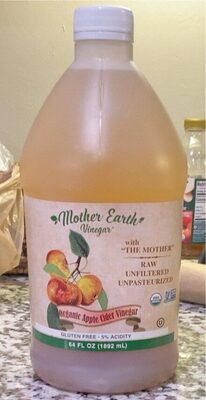 MOTHER EARTH
Organic Apple Cider Vinegar
0kcal
0Protein
0Fat
0Carbs
MOTHER EARTH
Organic Apple Cider Vinegar
0kcal
0Protein
0Fat
0Carbs
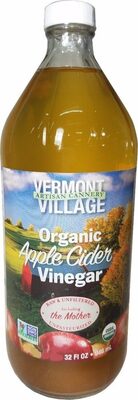 Village Cannery of Vermont
Organic Vinegar, Apple Cider
0kcal
0Protein
0Fat
0Carbs
Rebel Royal Music, Inc.
Saas, Spicy Hot Sauce, Onion & Garlic, Onion & Garlic
0kcal
0Protein
0Fat
20Carbs
Rebel Royal Music, Inc.
Hot Sauce, Onion & Garlic
0kcal
0Protein
0Fat
20Carbs
Village Cannery of Vermont
Raw & Organic Apple Cider Vinegar
0kcal
0Protein
0Fat
0Carbs
Langer Juice Company, Inc.
100% Apple Cider Vinegar
0kcal
0Protein
0Fat
0Carbs
Curation Foods, Inc.
Organic Apple Cider Vinegar, Apple Cider
0kcal
0Protein
0Fat
0Carbs
Smart & Final Iris Corporation
Organic Apple Cider Vinegar With The Mother, Apple Cider
0kcal
0Protein
0Fat
0Carbs
Smart & Final Iris Corporation
Organic Apple Cider Vinegar With The Mother, Apple Cider
0kcal
0Protein
0Fat
0Carbs
Get Sauced Foods LLC
Distilled White Vinegar, Distilled White
0kcal
0Protein
0Fat
0Carbs
Get Sauced Foods LLC
Organic Apple Cider Vinegar
0kcal
0Protein
0Fat
0Carbs
Village Cannery of Vermont
Organic Vinegar, Apple Cider
0kcal
0Protein
0Fat
0Carbs
Rebel Royal Music, Inc.
Saas, Spicy Hot Sauce, Onion & Garlic, Onion & Garlic
0kcal
0Protein
0Fat
20Carbs
Rebel Royal Music, Inc.
Hot Sauce, Onion & Garlic
0kcal
0Protein
0Fat
20Carbs
Village Cannery of Vermont
Raw & Organic Apple Cider Vinegar
0kcal
0Protein
0Fat
0Carbs
Langer Juice Company, Inc.
100% Apple Cider Vinegar
0kcal
0Protein
0Fat
0Carbs
Curation Foods, Inc.
Organic Apple Cider Vinegar, Apple Cider
0kcal
0Protein
0Fat
0Carbs
Smart & Final Iris Corporation
Organic Apple Cider Vinegar With The Mother, Apple Cider
0kcal
0Protein
0Fat
0Carbs
Smart & Final Iris Corporation
Organic Apple Cider Vinegar With The Mother, Apple Cider
0kcal
0Protein
0Fat
0Carbs
Get Sauced Foods LLC
Distilled White Vinegar, Distilled White
0kcal
0Protein
0Fat
0Carbs
Get Sauced Foods LLC
Organic Apple Cider Vinegar
0kcal
0Protein
0Fat
0Carbs