Distilled Mono- & Diglycerides
Auto-generated content. This description was generated automatically and is pending editorial review. Inaccuracies are possible. Found a mistake? Contact us.
What it is
Distilled mono- and diglycerides are a type of emulsifier made from fats and oils. They are produced by heating fats and oils with glycerol, a process that creates mono- and diglycerides. These compounds are then purified through distillation.
Why it's used
Manufacturers add distilled mono- and diglycerides to foods to help mix ingredients that normally don't blend well, like oil and water. This improves texture and consistency. They are commonly found in baked goods, ice cream, margarine, and processed meats.
Health notes
In the U.S., distilled mono- and diglycerides are generally recognized as safe (GRAS) by the FDA. They are widely used and considered safe when consumed in typical amounts. International bodies like JECFA and EFSA have also evaluated them. Evidence does not suggest adverse health effects from their consumption at normal dietary levels.
Allergen info
Distilled mono- and diglycerides are not derived from major allergens like milk, egg, fish, shellfish, tree nuts, peanuts, wheat, soy, or sesame. They do not contain gluten.
Products containing Distilled Mono- & Diglycerides
Compare products →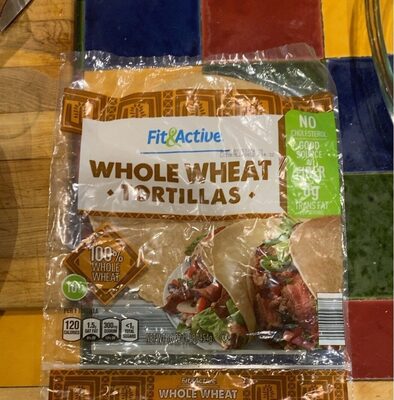 FIT&ACTIVE
Whole Wheat Tortillas, Whole Wheat
267kcal
8.9Protein
6.7Fat
48.9Carbs
Better For You Foods LLC
Thin Crust Uncured Pepperoni Pizza
High in sodium — 26% DV per serving
226kcal
8.7Protein
7.8Fat
28.7Carbs
Better For You Foods LLC
Thin Crust Mediterranean Pizza
High in sodium — 23% DV per serving
189kcal
6.3Protein
6.3Fat
26.8Carbs
Better For You Foods LLC
Multi-Grain Bread Bowls
250kcal
7.5Protein
5.6Fat
42.5Carbs
Better For You Foods LLC
Bread Bowls
275kcal
6.2Protein
7.5Fat
42.5Carbs
Better For You Foods LLC
Bread Bowls
262kcal
6.2Protein
7.5Fat
42.5Carbs
FIT&ACTIVE
Whole Wheat Tortillas, Whole Wheat
267kcal
8.9Protein
6.7Fat
48.9Carbs
Better For You Foods LLC
Thin Crust Uncured Pepperoni Pizza
High in sodium — 26% DV per serving
226kcal
8.7Protein
7.8Fat
28.7Carbs
Better For You Foods LLC
Thin Crust Mediterranean Pizza
High in sodium — 23% DV per serving
189kcal
6.3Protein
6.3Fat
26.8Carbs
Better For You Foods LLC
Multi-Grain Bread Bowls
250kcal
7.5Protein
5.6Fat
42.5Carbs
Better For You Foods LLC
Bread Bowls
275kcal
6.2Protein
7.5Fat
42.5Carbs
Better For You Foods LLC
Bread Bowls
262kcal
6.2Protein
7.5Fat
42.5Carbs
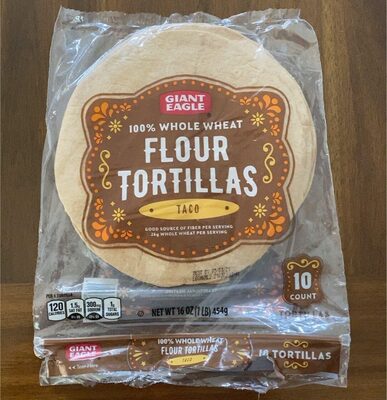 Giant Eagle, Inc.
Taco Flour Tortillas, Taco
267kcal
8.9Protein
6.7Fat
48.9Carbs
Meijer, Inc.
Cinnamon Raisin Mini Bagels, Cinnamon Raisin
263kcal
8.8Protein
0.9Fat
54.4Carbs
Better For You Foods LLC
Thin Crust Four Cheese Pizza
High in sodium — 23% DV per serving
221kcal
9.7Protein
7.1Fat
28.3Carbs
Better For You Foods LLC
Poppy Seed & Onion Bread Bowls
262kcal
6.2Protein
6.2Fat
45Carbs
Giant Eagle, Inc.
Taco Flour Tortillas, Taco
267kcal
8.9Protein
6.7Fat
48.9Carbs
Meijer, Inc.
Cinnamon Raisin Mini Bagels, Cinnamon Raisin
263kcal
8.8Protein
0.9Fat
54.4Carbs
Better For You Foods LLC
Thin Crust Four Cheese Pizza
High in sodium — 23% DV per serving
221kcal
9.7Protein
7.1Fat
28.3Carbs
Better For You Foods LLC
Poppy Seed & Onion Bread Bowls
262kcal
6.2Protein
6.2Fat
45Carbs