Domestic Romano Cheese
What is Domestic Romano Cheese?
Domestic Romano cheese is a hard, salty, granular cheese made from cow's milk. It is produced in the United States and is often aged for at least five months. The cheese has a sharp, tangy flavor that intensifies with age.
Is Domestic Romano Cheese vegan?
No. Domestic Romano Cheese is animal-derived, so it is not vegan.
Is Domestic Romano Cheese gluten-free?
It does not contain gluten.
Is Domestic Romano Cheese a major allergen?
Domestic Romano cheese is derived from milk and is therefore a major allergen.
What is Domestic Romano Cheese used for?
Manufacturers use domestic Romano cheese primarily as a flavoring ingredient due to its strong, savory taste.
Is Domestic Romano Cheese safe?
Domestic Romano cheese is generally recognized as safe (GRAS) by the FDA for its intended use as a food ingredient.
Why it's used
Manufacturers use domestic Romano cheese primarily as a flavoring ingredient due to its strong, savory taste. It is commonly found in Italian-style dishes such as pasta sauces, lasagna, and pizza, as well as in salad dressings and seasoned breadcrumbs.
Health notes
Domestic Romano cheese is generally recognized as safe (GRAS) by the FDA for its intended use as a food ingredient. It is a source of protein, calcium, and other nutrients. International bodies like JECFA and EFSA have evaluated cheese and dairy products, but specific evaluations for domestic Romano cheese may vary. Typical consumption as part of a balanced diet is not associated with adverse health effects.
Allergen info
Domestic Romano cheese is derived from milk and is therefore a major allergen. It does not contain gluten.
Foods that contain Domestic Romano Cheese
Compare products →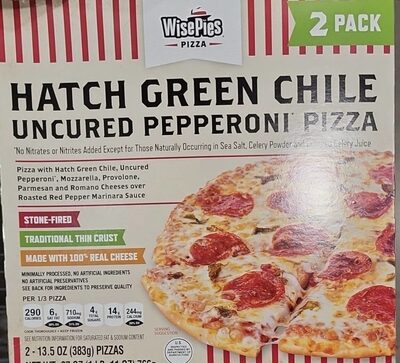 WPFS Global LLC
Hatch Green Chile Uncured Pepperoni Traditional Thin Crust Pizza With Hatch Green Chile, Uncured Pepperoni, Mozzarella, Provolone, Parmesan And Romano Cheeses Over Roasted Red Pepper Marinara Sauce, Hatch Green Chile
High in sodium — 33% DV per serving
High in saturated fat — 23% DV per serving
211kcal
11.7Protein
7.8Fat
23.4Carbs
WPFS Global LLC
Hatch Green Chile Uncured Pepperoni Traditional Thin Crust Pizza With Hatch Green Chile, Uncured Pepperoni, Mozzarella, Provolone, Parmesan And Romano Cheeses Over Roasted Red Pepper Marinara Sauce, Hatch Green Chile
High in sodium — 33% DV per serving
High in saturated fat — 23% DV per serving
211kcal
11.7Protein
7.8Fat
23.4Carbs
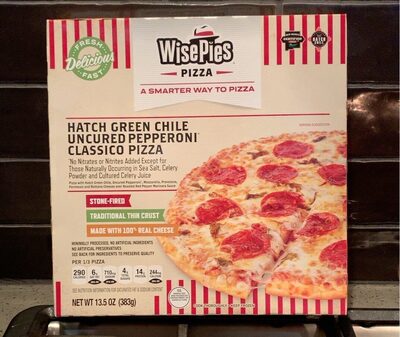 WPFS Global LLC
Hatch Green Chile Uncured Pepperoni Classico Pizza With Hatch Green Chile, Uncured Pepperoni, Mozzarella, Provolone, Parmesan And Romano Cheeses Over Roasted Red Pepper Marinara Sauce Traditional Thin Crust Pizza, Hatch Green Chile Uncured Pepperoni Class
High in sodium — 33% DV per serving
High in saturated fat — 23% DV per serving
211kcal
11.7Protein
7.8Fat
23.4Carbs
The Schwan Food Company
Pan Pasta, Chicken Alfredo
High in sodium — 33% DV per serving
High in saturated fat — 65% DV per serving
High in cholesterol — 23% DV per serving
211kcal
7.5Protein
12.7Fat
17.8Carbs
Hannaford Bros. Co.
Cheese Lasagna
High in sodium — 30% DV per serving
102kcal
6.0Protein
2.5Fat
14.1Carbs
Big Y Foods, Inc.
Round Cheese Ravioli Durum Flour Dough Filled With A Ricotta & Romano Cheese Blend Filling, Round Cheese Ravioli
197kcal
9.1Protein
4.5Fat
30.3Carbs
Quaker Maid Meats, Inc.
Three Cheese Angus Beef Meatballs, Three Cheese
High in sodium — 25% DV per serving
High in saturated fat — 40% DV per serving
High in cholesterol — 20% DV per serving
271kcal
14.1Protein
22.4Fat
4.7Carbs
WPFS Global LLC
Hatch Green Chile Uncured Pepperoni Classico Pizza With Hatch Green Chile, Uncured Pepperoni, Mozzarella, Provolone, Parmesan And Romano Cheeses Over Roasted Red Pepper Marinara Sauce Traditional Thin Crust Pizza, Hatch Green Chile Uncured Pepperoni Class
High in sodium — 33% DV per serving
High in saturated fat — 23% DV per serving
211kcal
11.7Protein
7.8Fat
23.4Carbs
The Schwan Food Company
Pan Pasta, Chicken Alfredo
High in sodium — 33% DV per serving
High in saturated fat — 65% DV per serving
High in cholesterol — 23% DV per serving
211kcal
7.5Protein
12.7Fat
17.8Carbs
Hannaford Bros. Co.
Cheese Lasagna
High in sodium — 30% DV per serving
102kcal
6.0Protein
2.5Fat
14.1Carbs
Big Y Foods, Inc.
Round Cheese Ravioli Durum Flour Dough Filled With A Ricotta & Romano Cheese Blend Filling, Round Cheese Ravioli
197kcal
9.1Protein
4.5Fat
30.3Carbs
Quaker Maid Meats, Inc.
Three Cheese Angus Beef Meatballs, Three Cheese
High in sodium — 25% DV per serving
High in saturated fat — 40% DV per serving
High in cholesterol — 20% DV per serving
271kcal
14.1Protein
22.4Fat
4.7Carbs
Learn more
Auto-generated content. This description was generated automatically and is pending editorial review. Inaccuracies are possible. Found a mistake? Contact us.