Dough Enzyme
What is Dough Enzyme?
Dough enzymes are proteins that help break down starches and proteins in flour. They are often derived from fungi or bacteria, or from plant sources like malted barley. These enzymes are produced through fermentation processes.
Is Dough Enzyme gluten-free?
They do not contain gluten.
Is Dough Enzyme a major allergen?
Dough enzymes are not derived from any of the 9 FDA major allergens.
What is Dough Enzyme used for?
Manufacturers add dough enzymes to improve dough handling, texture, and volume in baked goods.
Is Dough Enzyme safe?
Dough enzymes are generally recognized as safe (GRAS) by the FDA for use in food.
Why it's used
Manufacturers add dough enzymes to improve dough handling, texture, and volume in baked goods. They help create a softer crumb and a more consistent product. They are commonly found in breads, buns, and other yeast-leavened products.
Health notes
Dough enzymes are generally recognized as safe (GRAS) by the FDA for use in food. They are naturally occurring in many foods and are involved in digestion. Regulatory bodies like JECFA and EFSA have evaluated enzymes used in food processing. Evidence does not suggest adverse health effects from typical dietary intake.
Allergen info
Dough enzymes are not derived from any of the 9 FDA major allergens. They do not contain gluten.
Foods that contain Dough Enzyme
Compare products →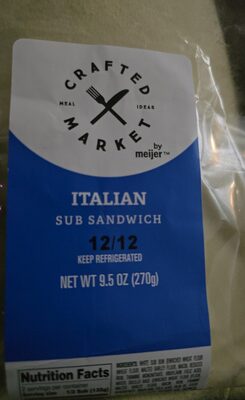
Auto-generated content. This description was generated automatically and is pending editorial review. Inaccuracies are possible. Found a mistake? Contact us.