Dry Onion
What is Dry Onion?
Dry onion is a dehydrated form of the common onion (Allium cepa). Onions are bulbous plants grown worldwide, known for their pungent flavor. To make dry onion, fresh onions are sliced, dried using heat or air, and then typically ground into flakes or powder.
Is Dry Onion vegan?
Dry Onion is not animal-derived. Products that contain it can still include other animal-derived ingredients, so check the full ingredient list.
Is Dry Onion gluten-free?
It does not contain gluten.
Is Dry Onion a major allergen?
Onion is not one of the nine FDA major allergens.
What is Dry Onion used for?
Dry onion is used as a flavoring ingredient in a wide variety of savory foods.
Is Dry Onion safe?
In the US, dry onion is generally recognized as safe (GRAS) by the FDA when used as a food ingredient.
Why it's used
Dry onion is used as a flavoring ingredient in a wide variety of savory foods. It provides the characteristic taste of onion without the moisture content of fresh onions. It is commonly found in spice blends, dried soup mixes, sauces, marinades, processed meats, and snack foods.
Health notes
In the US, dry onion is generally recognized as safe (GRAS) by the FDA when used as a food ingredient. It is a source of various nutrients and beneficial plant compounds. International bodies like JECFA have evaluated onions and their components. Evidence suggests that compounds in onions may have health-promoting properties, but more research is needed to confirm these effects at typical dietary intake levels.
Allergen info
Onion is not one of the nine FDA major allergens. It does not contain gluten.
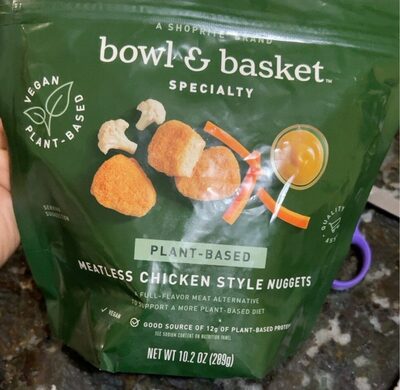
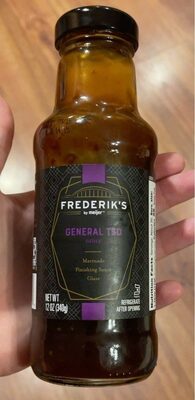
Foods that contain Dry Onion
Compare products →

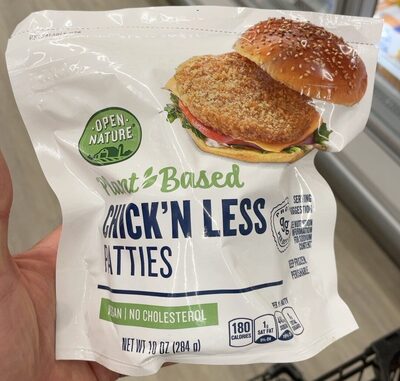
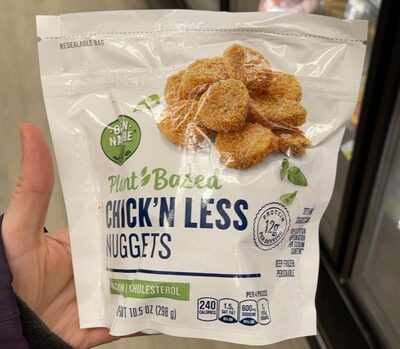
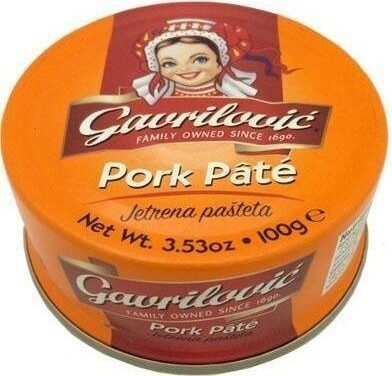
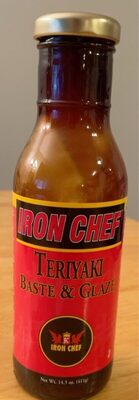
Learn more
Auto-generated content. This description was generated automatically and is pending editorial review. Inaccuracies are possible. Found a mistake? Contact us.