E330
Auto-generated content. This description was generated automatically and is pending editorial review. Inaccuracies are possible. Found a mistake? Contact us.
What it is
Citric acid (E330) is a weak organic acid found naturally in citrus fruits like lemons and limes. It is commercially produced through the fermentation of a sugar source, typically from corn or sugarcane, using specific strains of the mold Aspergillus niger.
Why it's used
Manufacturers add citric acid primarily as an acidity regulator, flavor enhancer, and preservative. It provides a tart, sour taste and helps prevent spoilage by inhibiting microbial growth. It is commonly found in beverages, candies, jams, jellies, and canned fruits and vegetables.
Health notes
In the United States, citric acid is generally recognized as safe (GRAS) by the FDA for use in food. International bodies like JECFA and EFSA have evaluated citric acid and established acceptable daily intake levels. At typical consumption levels found in food, it is not associated with adverse health effects. Some individuals may experience tooth enamel erosion with frequent consumption of highly acidic foods and drinks.
Allergen info
Citric acid is not derived from any of the nine FDA major allergens. It does not contain gluten.
Products containing E330
Compare products →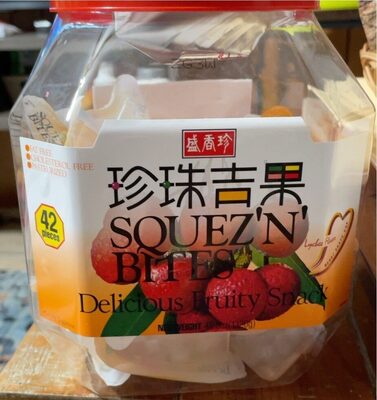 SQUEZ'N'BITES
Delicious Fruity Snack
92kcal
0Protein
0Fat
24.2Carbs
SQUEZ'N'BITES
Delicious Fruity Snack
92kcal
0Protein
0Fat
24.2Carbs
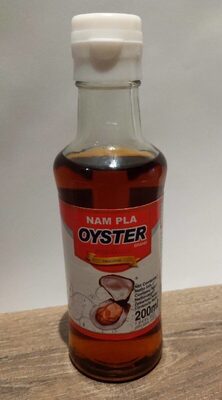 PICHAI FISH-SAUCE CO., LTD.
Oyster Brand, Fish Sauce
67kcal
13.3Protein
0Fat
6.7Carbs
BNEI DAROM
Green Olives
200kcal
1.3Protein
20Fat
5.3Carbs
PICHAI FISH-SAUCE CO., LTD.
Oyster Brand, Fish Sauce
67kcal
13.3Protein
0Fat
6.7Carbs
BNEI DAROM
Green Olives
200kcal
1.3Protein
20Fat
5.3Carbs
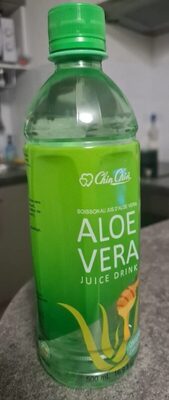 CHIN CHIN
Chin Chin, D'Aloe Vera Juice Drink
37kcal
0Protein
0Fat
9.2Carbs
ROSMAN
Rosman, Black Currant Preserves
250kcal
0Protein
0Fat
65Carbs
PROVENZAL
Purple Corn Pudding
400kcal
5.9Protein
0Fat
94.1Carbs
CHIN CHIN
Chin Chin, D'Aloe Vera Juice Drink
37kcal
0Protein
0Fat
9.2Carbs
ROSMAN
Rosman, Black Currant Preserves
250kcal
0Protein
0Fat
65Carbs
PROVENZAL
Purple Corn Pudding
400kcal
5.9Protein
0Fat
94.1Carbs
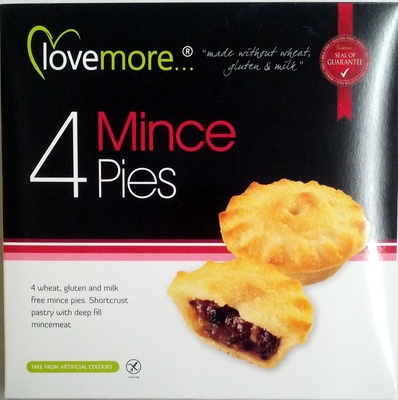 LOVE MORE...
Mince Pies
380kcal
2.7Protein
14.7Fat
59.1Carbs
TAZA
Pomegranate Drink With Basil Seeds
52kcal
0Protein
0Fat
12.7Carbs
LOVE MORE...
Mince Pies
380kcal
2.7Protein
14.7Fat
59.1Carbs
TAZA
Pomegranate Drink With Basil Seeds
52kcal
0Protein
0Fat
12.7Carbs
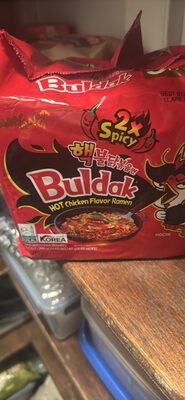 SAMYANG
Hot Chicken Flavor Ramen
High in sodium — 59% DV per serving
High in saturated fat — 40% DV per serving
389kcal
9.3Protein
12.1Fat
60.7Carbs
SAMYANG
Hot Chicken Flavor Ramen
High in sodium — 59% DV per serving
High in saturated fat — 40% DV per serving
389kcal
9.3Protein
12.1Fat
60.7Carbs
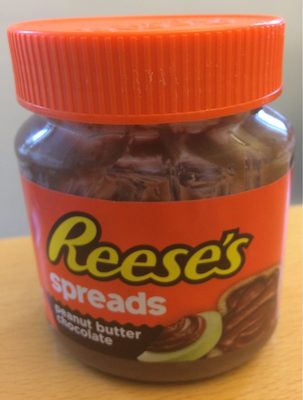 REESE'S
Peanut Butter Spreads
552kcal
8.7Protein
32.5Fat
56.1Carbs
HOUSSY
Original Premium Natural Aloe Vera Drink, Original
High in added sugars — 24% DV per serving
21kcal
0Protein
0Fat
5Carbs
REESE'S
Peanut Butter Spreads
552kcal
8.7Protein
32.5Fat
56.1Carbs
HOUSSY
Original Premium Natural Aloe Vera Drink, Original
High in added sugars — 24% DV per serving
21kcal
0Protein
0Fat
5Carbs
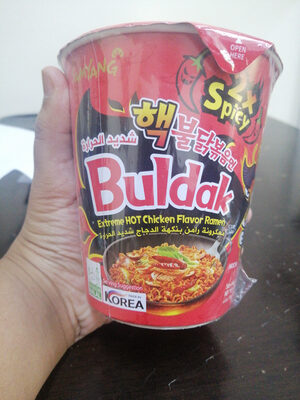 SAMYANG FOODS CO., LTD.
Hot Chicken Flavor Ramen, Hot Chicken
High in sodium — 28% DV per serving
High in saturated fat — 25% DV per serving
421kcal
10Protein
15.7Fat
60Carbs
SAMYANG FOODS CO., LTD.
Hot Chicken Flavor Ramen, Hot Chicken
High in sodium — 28% DV per serving
High in saturated fat — 25% DV per serving
421kcal
10Protein
15.7Fat
60Carbs