Egg Yolks
What is Egg Yolks?
Egg yolks are the yellow, nutrient-rich part of an egg, separated from the egg white. They are a natural food component, primarily sourced from chicken eggs.
Is Egg Yolks vegan?
No. Egg Yolks is animal-derived, so it is not vegan.
Is Egg Yolks a major allergen?
Egg yolks are derived from eggs, which are one of the nine major food allergens identified by the FDA.
What is Egg Yolks used for?
Manufacturers use egg yolks for their emulsifying properties, helping to blend oil and water in products like mayonnaise and salad dressings.
Is Egg Yolks safe?
Egg yolks are a natural food ingredient and are not regulated as a food additive by the FDA.
Why it's used
Manufacturers use egg yolks for their emulsifying properties, helping to blend oil and water in products like mayonnaise and salad dressings. They also contribute to thickening custards and sauces, add color to baked goods, and provide richness and flavor to ice cream and cakes.
Health notes
Egg yolks are a natural food ingredient and are not regulated as a food additive by the FDA. They are a source of dietary cholesterol, fat, and several vitamins and minerals. The 2025-2030 Dietary Guidelines for Americans focus on overall dietary patterns rather than specific limits for dietary cholesterol, noting that for most people, dietary cholesterol has less impact on blood cholesterol levels than saturated fat. No specific evaluations by JECFA or EFSA exist for egg yolks as a food additive.
Allergen info
Egg yolks are derived from eggs, which are one of the nine major food allergens identified by the FDA.
Foods that contain Egg Yolks
Compare products →



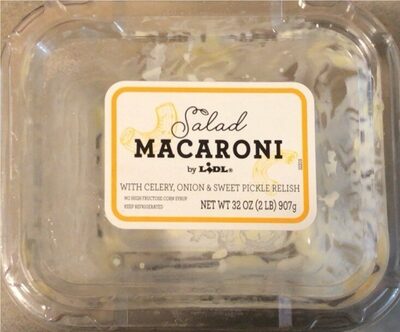 LIDL
Classic Macaroni Salad
High in sodium — 33% DV per serving
200kcal
3.6Protein
12.9Fat
18.6Carbs
Auto-generated content. This description was generated automatically and is pending editorial review. Inaccuracies are possible. Found a mistake? Contact us.