Enzymes And Cultures
What is Enzymes And Cultures?
Enzymes are proteins that speed up chemical reactions. Cultures are microorganisms, like bacteria or yeasts. Both are often used together in food production, particularly for dairy products and fermented foods. They can be naturally occurring or grown in controlled environments.
Is Enzymes And Cultures a major allergen?
Enzymes and cultures are not typically considered major allergens.
What is Enzymes And Cultures used for?
Enzymes and cultures are used to develop flavor, texture, and to aid in the fermentation process.
Is Enzymes And Cultures safe?
Enzymes and cultures used in food are generally recognized as safe (GRAS) by the FDA.
Why it's used
Enzymes and cultures are used to develop flavor, texture, and to aid in the fermentation process. They are commonly found in cheeses, yogurts, breads, and other fermented foods. For example, cultures help produce the characteristic flavors in cheese, while enzymes can help break down proteins and fats.
Health notes
Enzymes and cultures used in food are generally recognized as safe (GRAS) by the FDA. They are considered safe when consumed in typical amounts as part of food. International bodies like JECFA and EFSA have also evaluated many food enzymes and cultures, generally finding them safe for use. There are no widespread health concerns associated with their consumption at normal levels.
Allergen info
Enzymes and cultures are not typically considered major allergens. However, some cultures may be grown on media containing allergens, and some enzymes can be derived from allergenic sources like milk or wheat. Consumers with severe allergies should check product labels for specific sourcing information.
Foods that contain Enzymes And Cultures
Compare products →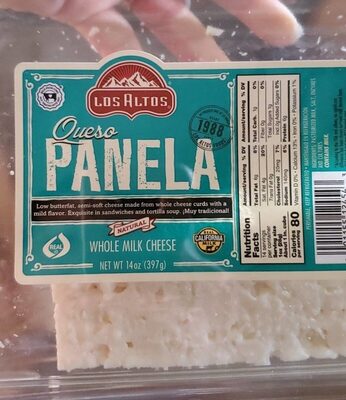
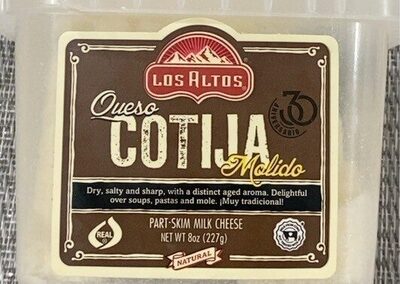
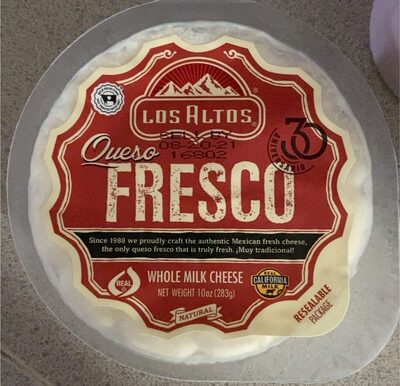
Auto-generated content. This description was generated automatically and is pending editorial review. Inaccuracies are possible. Found a mistake? Contact us.