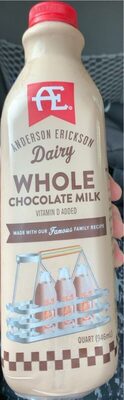
Grade A Pasteurized Milk
What is Grade A Pasteurized Milk?
Grade A pasteurized milk is cow's milk that has been heated to at least 161°F (72°C) for 15 seconds to kill harmful bacteria. It is then cooled rapidly to 40°F (4°C) or below. This process ensures the milk is safe for consumption and extends its shelf life.
Is Grade A Pasteurized Milk vegan?
No. Grade A Pasteurized Milk is animal-derived, so it is not vegan.
Is Grade A Pasteurized Milk a major allergen?
Milk is one of the nine major allergens identified by the FDA.
What is Grade A Pasteurized Milk used for?
Pasteurized milk is a primary ingredient in many dairy products like yogurt, cheese, and ice cream.
Is Grade A Pasteurized Milk safe?
Pasteurized milk is a source of calcium, vitamin D, and protein.
Why it's used
Pasteurized milk is a primary ingredient in many dairy products like yogurt, cheese, and ice cream. It provides a creamy texture, rich flavor, and nutritional value. It's also used as a liquid base in soups, sauces, and baked goods.
Health notes
Pasteurized milk is a source of calcium, vitamin D, and protein. The FDA considers pasteurization essential for milk safety. Regulatory bodies like JECFA and EFSA have evaluated milk and its components. While generally recognized as safe and nutritious, some individuals may have difficulty digesting lactose, a sugar found in milk.
Allergen info
Milk is one of the nine major allergens identified by the FDA. Therefore, Grade A pasteurized milk is a major allergen.
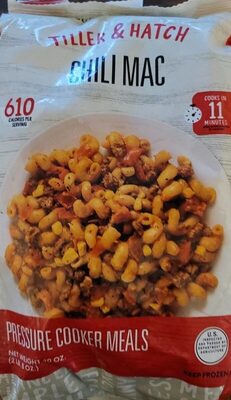
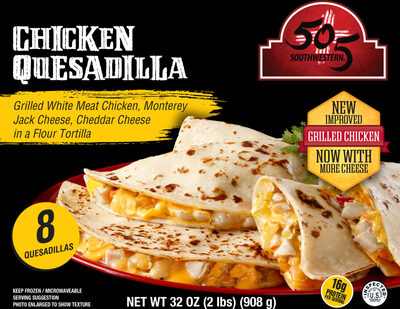
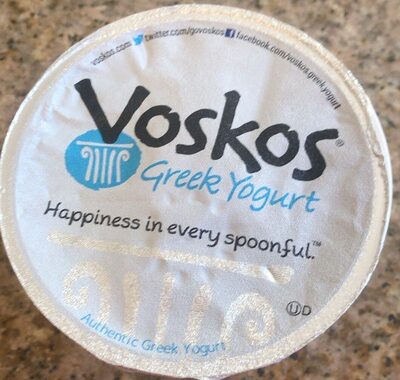
Foods that contain Grade A Pasteurized Milk
Compare products →
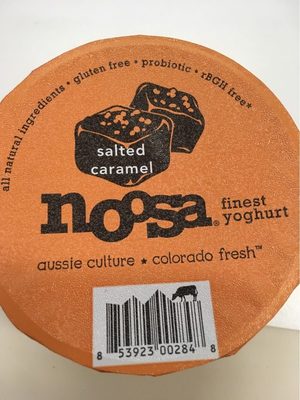


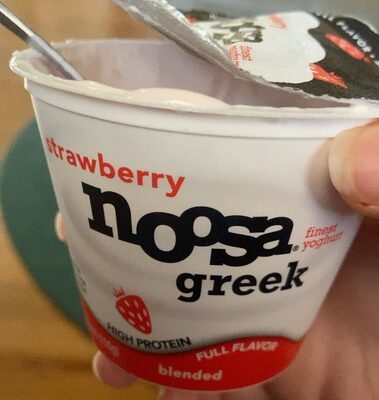
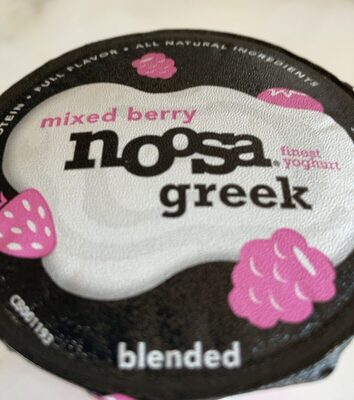
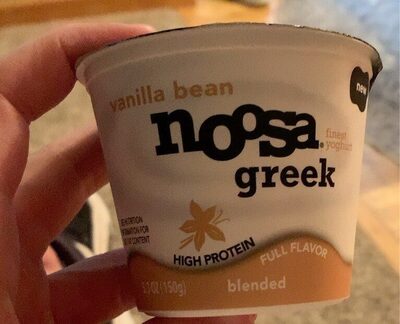
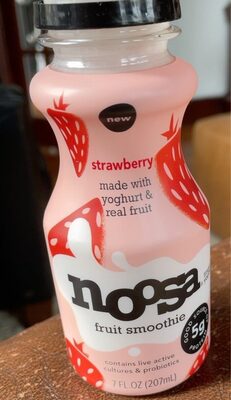
 Noosa
Plain Yoghurt, Plain
High in saturated fat — 25% DV per serving
107kcal
9.3Protein
6Fat
4Carbs
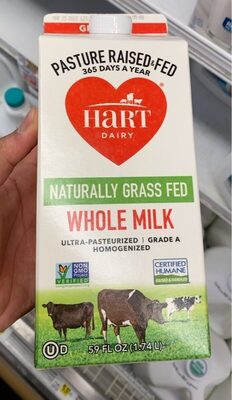

Learn more
Auto-generated content. This description was generated automatically and is pending editorial review. Inaccuracies are possible. Found a mistake? Contact us.