Extra Virgin Cold Pressed Olive Oil
Auto-generated content. This description was generated automatically and is pending editorial review. Inaccuracies are possible. Found a mistake? Contact us.
What it is
Extra virgin cold pressed olive oil is the highest grade of olive oil, made from the fruit of the olive tree. It is extracted using mechanical methods without heat or chemicals, preserving its natural flavor and nutrients. This process results in a flavorful oil rich in monounsaturated fats.
Why it's used
Manufacturers use it as a flavorful fat and oil in a variety of foods, including salad dressings, sauces, and marinades. It is also used as a cooking oil for sautéing and roasting, adding a distinct taste to dishes. Its presence is common in Mediterranean-style foods and products like crackers, pickles, and olives.
Health notes
Olive oil is recognized as safe by the FDA and is generally regarded as safe (GRAS). It is a source of healthy fats, particularly monounsaturated fatty acids, which are associated with cardiovascular benefits in numerous peer-reviewed studies. International bodies like EFSA have evaluated olive oil and its components, recognizing its nutritional value. While generally considered healthy, high consumption of any fat can contribute to excess calorie intake.
Allergen info
Olive oil is not derived from any of the 9 FDA major allergens. It does not contain gluten.
Products containing Extra Virgin Cold Pressed Olive Oil
Compare products →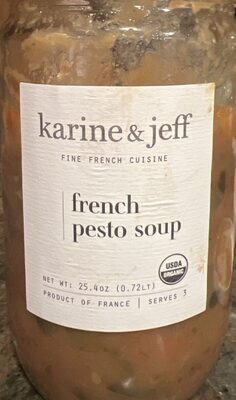 Christopher Bean Coffee
French Pesto Soup, French Pesto
High in sodium — 20% DV per serving
40kcal
1.7Protein
—Fat
4.8Carbs
Christopher Bean Coffee
French Pesto Soup, French Pesto
High in sodium — 20% DV per serving
40kcal
1.7Protein
—Fat
4.8Carbs
 Christopher Bean Coffee
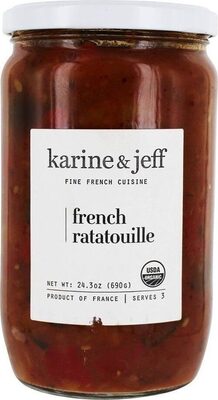
French Ratatouille
High in sodium — 20% DV per serving
56kcal
1.3Protein
3.5Fat
3.9Carbs
Christopher Bean Coffee
Moroccan Soup
35kcal
1.0Protein
2.1Fat
5.4Carbs
Hawaiian Granola Company LLC
Ape Man Food Co, Flatbread, Onion, Onion
500kcal
11.5Protein
42.3Fat
26.9Carbs
Christopher Bean Coffee
French Ratatouille
High in sodium — 20% DV per serving
56kcal
1.3Protein
3.5Fat
3.9Carbs
Christopher Bean Coffee
Moroccan Soup
35kcal
1.0Protein
2.1Fat
5.4Carbs
Hawaiian Granola Company LLC
Ape Man Food Co, Flatbread, Onion, Onion
500kcal
11.5Protein
42.3Fat
26.9Carbs