Extra Virgin
What is Extra Virgin?
Extra virgin refers to the highest grade of olive oil, obtained solely by mechanical or other physical means. It is produced from the fruit of the olive tree (Olea europaea) without the use of any solvents or refining processes. This method preserves its natural flavor, aroma, and nutritional qualities.
Is Extra Virgin vegan?
Extra Virgin is not animal-derived. Products that contain it can still include other animal-derived ingredients, so check the full ingredient list.
Is Extra Virgin gluten-free?
It does not contain gluten.
Is Extra Virgin a major allergen?
Extra virgin olive oil is not derived from any of the 9 FDA major allergens.
What is Extra Virgin used for?
Extra virgin olive oil is prized for its distinct flavor and is often used in salad dressings, as a finishing oil for dishes, and for light sautéing.
Is Extra Virgin safe?
Extra virgin olive oil is generally recognized as safe (GRAS) by the FDA for use in food.
Why it's used
Extra virgin olive oil is prized for its distinct flavor and is often used in salad dressings, as a finishing oil for dishes, and for light sautéing. Manufacturers use it as a flavorful fat and oil, adding richness and a characteristic taste to a variety of foods.
Health notes
Extra virgin olive oil is generally recognized as safe (GRAS) by the FDA for use in food. It is a source of monounsaturated fatty acids and antioxidants, which have been associated with potential cardiovascular benefits in scientific literature. JECFA has evaluated olive oil and set an acceptable daily intake. While generally considered healthy, high intake of any fat can contribute to excess calorie consumption.
Allergen info
Extra virgin olive oil is not derived from any of the 9 FDA major allergens. It does not contain gluten.
Foods that contain Extra Virgin
Compare products →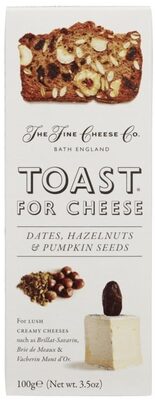
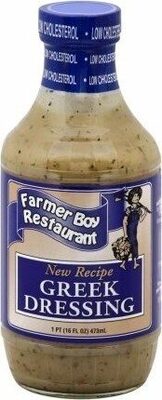
Learn more
Auto-generated content. This description was generated automatically and is pending editorial review. Inaccuracies are possible. Found a mistake? Contact us.