Fermented Wheat Flour
Auto-generated content. This description was generated automatically and is pending editorial review. Inaccuracies are possible. Found a mistake? Contact us.
What it is
Fermented wheat flour is made by allowing wheat flour to sit with water and a starter culture, which can include yeast and bacteria. This process breaks down some of the starches and proteins in the flour, creating new flavors and textures. It is often used as a natural ingredient to improve the taste and quality of baked goods.
Why it's used
Manufacturers add fermented wheat flour to baked goods like bread, pizza dough, and crackers. It acts as a natural flavoring agent and can also contribute to a softer texture and improved shelf life. Its presence can enhance the overall taste profile of the product.
Health notes
Fermented wheat flour is generally recognized as safe (GRAS) by the FDA when used as a food ingredient. It is a natural product of fermentation, and at typical consumption levels, it is not associated with adverse health effects. International bodies like JECFA and EFSA have evaluated similar fermented ingredients. Evidence does not suggest significant health concerns at levels typically found in food.
Allergen info
Fermented wheat flour is derived from wheat, which is one of the nine major allergens recognized by the FDA. It also contains gluten, a protein found in wheat.
Products containing Fermented Wheat Flour
Compare products →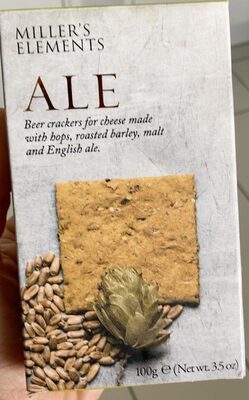 MILLER'S ELEMENTS
Ale Beer Crackers
406kcal
10.7Protein
10.4Fat
66.3Carbs
OROWEAT
Country Buttermilk Bread
263kcal
7.9Protein
4.0Fat
50Carbs
MILLER'S ELEMENTS
Ale Beer Crackers
406kcal
10.7Protein
10.4Fat
66.3Carbs
OROWEAT
Country Buttermilk Bread
263kcal
7.9Protein
4.0Fat
50Carbs
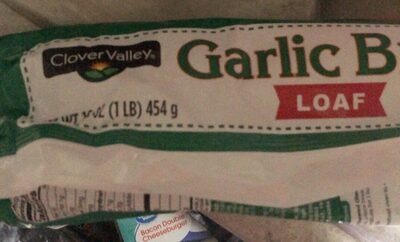 CLOVER VALLEY
Garlic Bread Loaf, Garlic
298kcal
7.0Protein
10.5Fat
43.9Carbs
CLOVER VALLEY
Garlic Bread Loaf, Garlic
298kcal
7.0Protein
10.5Fat
43.9Carbs
 LIDL
6 Cheese Traditional Crust Pizza, 6 Cheese
High in sodium — 34% DV per serving
High in saturated fat — 45% DV per serving
283kcal
11.0Protein
11.7Fat
31.7Carbs
Kellogg Company US
Morningstar Farms Breakfast Southwest Sunrise 13.4Oz
High in sodium — 30% DV per serving
215kcal
13Protein
8.8Fat
24.9Carbs
BRIDOR INC.
Sourdough Bread
250kcal
9.6Protein
0Fat
48.1Carbs
LIDL
6 Cheese Traditional Crust Pizza, 6 Cheese
High in sodium — 34% DV per serving
High in saturated fat — 45% DV per serving
283kcal
11.0Protein
11.7Fat
31.7Carbs
Kellogg Company US
Morningstar Farms Breakfast Southwest Sunrise 13.4Oz
High in sodium — 30% DV per serving
215kcal
13Protein
8.8Fat
24.9Carbs
BRIDOR INC.
Sourdough Bread
250kcal
9.6Protein
0Fat
48.1Carbs
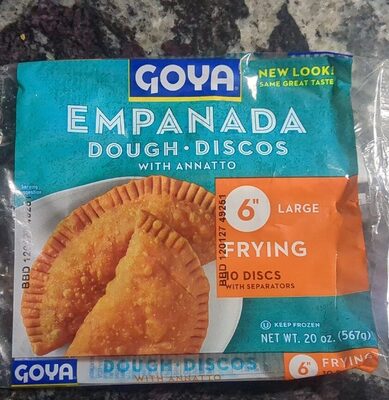 Goya Foods, Inc.
Dough For Turnover Pastries
316kcal
8.8Protein
7.9Fat
52.6Carbs
Ashcraft / European Bakery, L.P.
French Bread
246kcal
7.0Protein
3.5Fat
45.6Carbs
Wegmans Food Markets, Inc.
Pane Italian Bread
228kcal
7.0Protein
1.8Fat
45.6Carbs
Goya Foods, Inc.
Dough For Turnover Pastries
325kcal
10Protein
8.8Fat
52.5Carbs
Goya Foods, Inc.
Dough For Turnover Pastries
316kcal
8.8Protein
7.9Fat
52.6Carbs
Ashcraft / European Bakery, L.P.
French Bread
246kcal
7.0Protein
3.5Fat
45.6Carbs
Wegmans Food Markets, Inc.
Pane Italian Bread
228kcal
7.0Protein
1.8Fat
45.6Carbs
Goya Foods, Inc.
Dough For Turnover Pastries
325kcal
10Protein
8.8Fat
52.5Carbs