Ferrous Bisglycinate
What is Ferrous Bisglycinate?
Ferrous bisglycinate is a form of iron, a mineral essential for human health. It is made by combining iron with the amino acid glycine. This chelated form of iron is often used in supplements and fortified foods.
Is Ferrous Bisglycinate gluten-free?
It does not contain gluten.
Is Ferrous Bisglycinate a major allergen?
Ferrous bisglycinate is not derived from any of the nine major allergens.
What is Ferrous Bisglycinate used for?
Manufacturers add ferrous bisglycinate to foods and supplements to increase their iron content.
Is Ferrous Bisglycinate safe?
In the U.S., ferrous bisglycinate is generally recognized as safe (GRAS) by the FDA when used as a nutrient supplement.
Why it's used
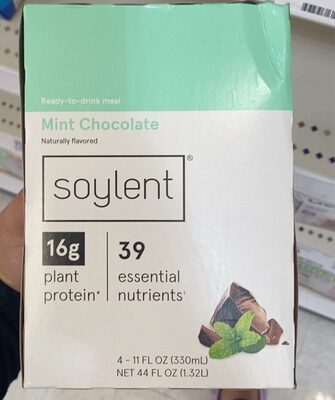
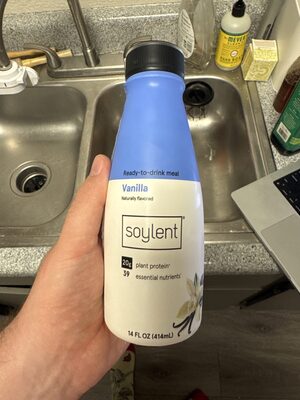
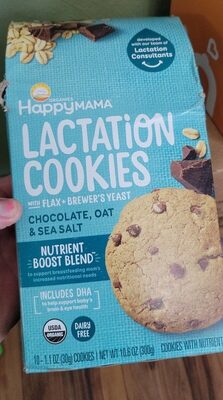
Manufacturers add ferrous bisglycinate to foods and supplements to increase their iron content. Iron is a vital nutrient, and this form is chosen for its bioavailability and reduced tendency to cause digestive upset compared to other iron salts. It is commonly found in meal replacement supplements, protein drinks, and baked goods.
Health notes
In the U.S., ferrous bisglycinate is generally recognized as safe (GRAS) by the FDA when used as a nutrient supplement. The Joint FAO/WHO Expert Committee on Food Additives (JECFA) has evaluated iron compounds, and the European Food Safety Authority (EFSA) has also assessed iron as a nutrient. Iron is crucial for oxygen transport in the blood, and deficiency can lead to anemia. However, excessive iron intake can be harmful, and the body has limited mechanisms to excrete it.
Allergen info
Ferrous bisglycinate is not derived from any of the nine major allergens. It does not contain gluten.
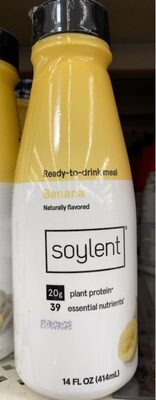
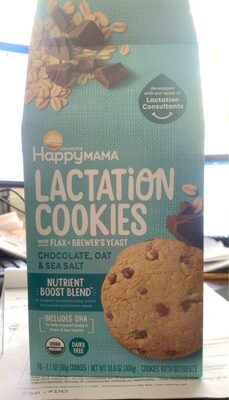
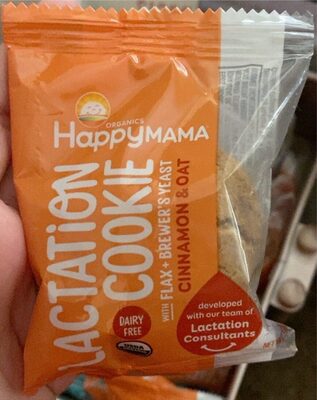
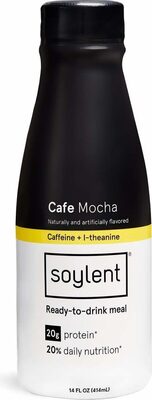
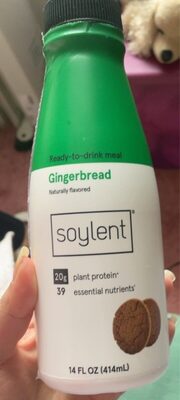
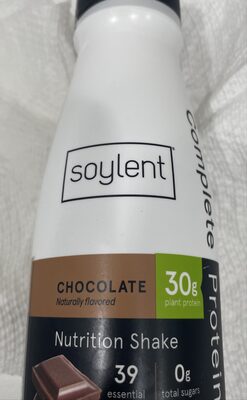
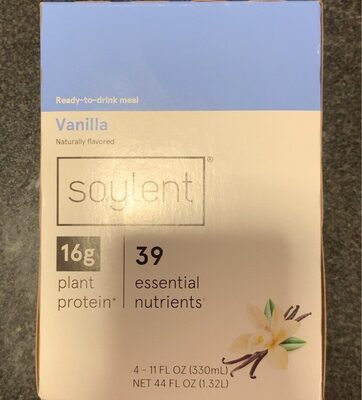
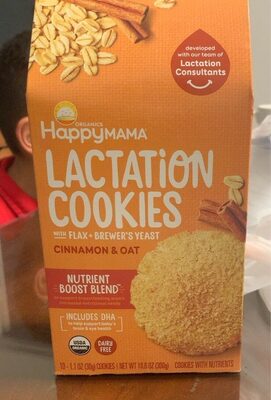
Foods that contain Ferrous Bisglycinate
Compare products →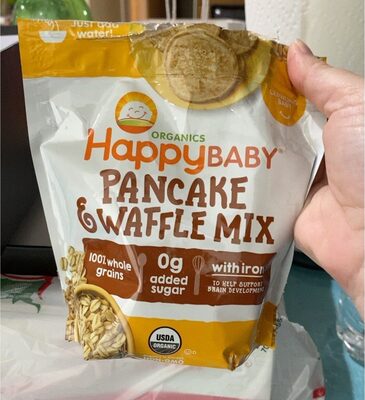
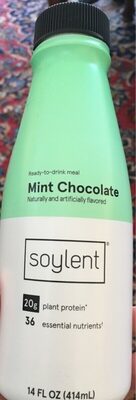
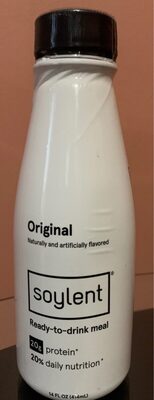
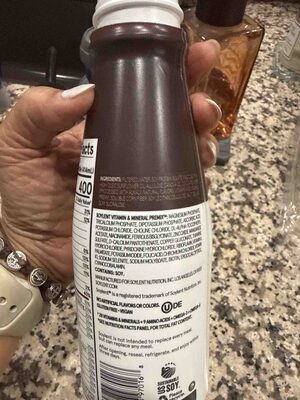
Learn more
Auto-generated content. This description was generated automatically and is pending editorial review. Inaccuracies are possible. Found a mistake? Contact us.