Flounder Fillets
What is Flounder Fillets?
Flounder is a type of flatfish found in both saltwater and freshwater environments. It is a lean white fish with a mild flavor and flaky texture. Flounder is typically sold as fillets, which are boneless pieces of the fish's flesh.
Is Flounder Fillets vegan?
No. Flounder Fillets is animal-derived, so it is not vegan.
Is Flounder Fillets gluten-free?
It does not contain gluten.
Is Flounder Fillets a major allergen?
Flounder is a fish, which is one of the 9 FDA major allergens.
What is Flounder Fillets used for?
Flounder fillets are primarily used as a food ingredient, offering a source of protein and a mild flavor profile.
Is Flounder Fillets safe?
Flounder is a natural food product and is not subject to FDA additive regulations.
Why it's used
Flounder fillets are primarily used as a food ingredient, offering a source of protein and a mild flavor profile. They are commonly found in frozen seafood sections and are prepared by consumers in various ways, such as baking, frying, or broiling.
Health notes
Flounder is a natural food product and is not subject to FDA additive regulations. It is a source of protein, vitamins, and minerals. Like other fish, it can contain beneficial omega-3 fatty acids. However, some fish may contain mercury, and consumers are advised to follow guidance on fish consumption, particularly for pregnant women and young children.
Allergen info
Flounder is a fish, which is one of the 9 FDA major allergens. It does not contain gluten.
Foods that contain Flounder Fillets
Compare products →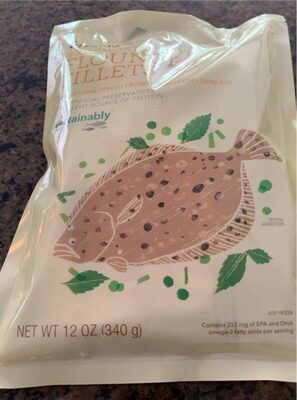
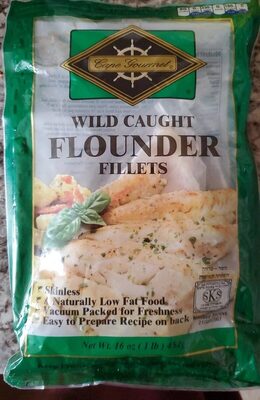

Learn more
Auto-generated content. This description was generated automatically and is pending editorial review. Inaccuracies are possible. Found a mistake? Contact us.