Gadus Morhua
What is Gadus Morhua?
Gadus morhua is the scientific name for Atlantic cod, a species of fish found in the North Atlantic Ocean. It is a lean white fish that is commonly caught for consumption. The fish is typically processed by filleting and sometimes breading or cooking.
Is Gadus Morhua vegan?
No. Gadus Morhua is animal-derived, so it is not vegan.
Is Gadus Morhua a major allergen?
Atlantic cod is a fish, which is one of the 9 FDA major allergens.
What is Gadus Morhua used for?
Atlantic cod is primarily used as a food source, valued for its mild flavor and flaky texture.
Is Gadus Morhua safe?
Atlantic cod is a source of protein, vitamins, and minerals.
Why it's used
Atlantic cod is primarily used as a food source, valued for its mild flavor and flaky texture. It is frequently found in frozen fish products, seafood entrees, and spreads. It can be prepared in various ways, including baking, frying, and poaching.
Health notes
Atlantic cod is a source of protein, vitamins, and minerals. It is not an additive that requires FDA approval in the same way as synthetic ingredients. Like all fish, it can contain mercury, and the FDA and EPA advise limiting consumption for certain groups, such as pregnant women and young children, due to potential mercury exposure. JECFA and EFSA have evaluated various fish species for safety, but do not set specific limits for naturally occurring compounds like mercury in whole foods.
Allergen info
Atlantic cod is a fish, which is one of the 9 FDA major allergens. People with a fish allergy should avoid consuming it.
Foods that contain Gadus Morhua
Compare products →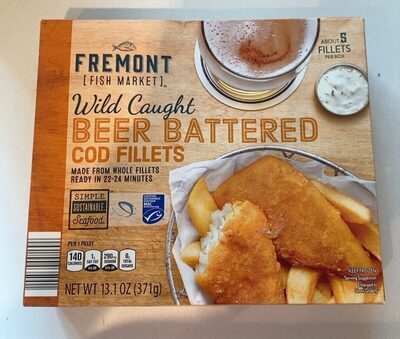
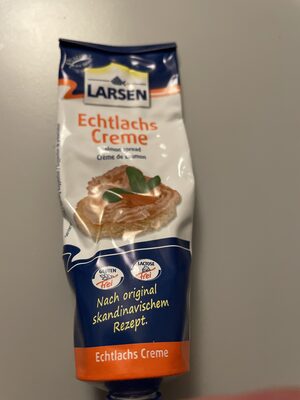

Learn more
Auto-generated content. This description was generated automatically and is pending editorial review. Inaccuracies are possible. Found a mistake? Contact us.