Genoa
What is Genoa?
Genoa is a type of dry-cured salami, originating from the Liguria region of Italy. It is typically made from pork, seasoned with garlic, black pepper, and sometimes wine, then fermented and air-dried for several months. The result is a firm, flavorful sausage with a distinctive aroma.
Is Genoa vegan?
No. Genoa is animal-derived, so it is not vegan.
Is Genoa gluten-free?
It does not contain gluten.
Is Genoa a major allergen?
Genoa is not derived from any of the 9 FDA major allergens.
What is Genoa used for?
Genoa is primarily used as a flavorful meat in charcuterie boards, sandwiches, and antipasti.
Is Genoa safe?
Genoa is a food product and not an additive that requires FDA approval.
Why it's used
Genoa is primarily used as a flavorful meat in charcuterie boards, sandwiches, and antipasti. Its savory taste and firm texture make it a popular addition to pizzas and pasta dishes. It is also often found in pre-packaged snack items.
Health notes
Genoa is a food product and not an additive that requires FDA approval. As a cured meat, it is high in sodium and saturated fat. The World Health Organization (WHO) has classified processed meats as carcinogenic to humans. JECFA has evaluated cured meats but has not set specific intake limits for Genoa itself. Evidence regarding the health effects of cured meats is mixed, with some studies linking high consumption to increased risk of certain health issues, while others suggest moderate consumption may be part of a balanced diet.
Allergen info
Genoa is not derived from any of the 9 FDA major allergens. It does not contain gluten.
Foods that contain Genoa
Compare products →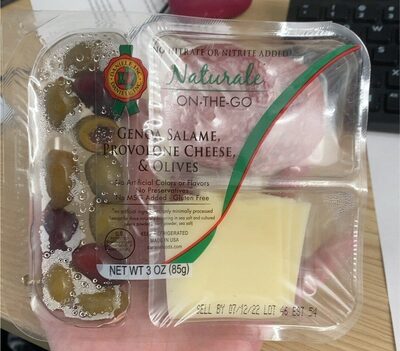
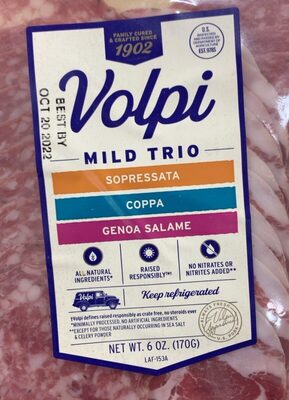
Learn more
Auto-generated content. This description was generated automatically and is pending editorial review. Inaccuracies are possible. Found a mistake? Contact us.