Glucono-1
What is Glucono-1?
Glucono-delta-lactone (GDL) is a natural food ingredient made from gluconic acid. Gluconic acid is produced by the fermentation of glucose, which can come from corn or other plant sources. GDL is a white crystalline powder that is soluble in water.
Is Glucono-1 vegan?
Glucono-1 is not animal-derived. Products that contain it can still include other animal-derived ingredients, so check the full ingredient list.
Is Glucono-1 gluten-free?
GDL is not derived from any of the nine FDA major allergens and does not contain gluten.
What is Glucono-1 used for?
GDL acts as a slow-release acidulant, meaning it gradually lowers the pH of foods as it dissolves.
Is Glucono-1 safe?
GDL is generally recognized as safe (GRAS) by the U.S. Food and Drug Administration (FDA).
Why it's used
GDL acts as a slow-release acidulant, meaning it gradually lowers the pH of foods as it dissolves. This makes it useful in baking for leavening, especially in combination with baking soda, and for controlling texture in dairy products like cheese. It is often found in baked goods, processed meats, and salad dressings.
Health notes
GDL is generally recognized as safe (GRAS) by the U.S. Food and Drug Administration (FDA). It is metabolized by the body as a carbohydrate. International bodies like JECFA have evaluated GDL and found it to be safe for consumption. No significant health concerns are associated with typical dietary intake of GDL.
Allergen info
GDL is not derived from any of the nine FDA major allergens and does not contain gluten.
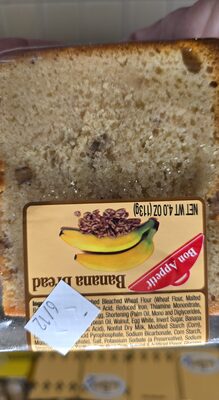
Foods that contain Glucono-1
Compare products →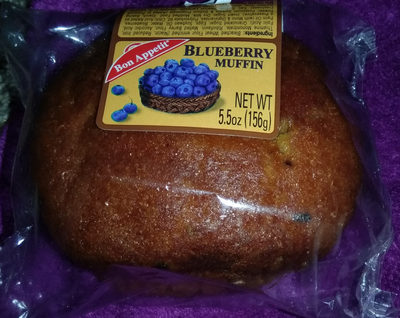
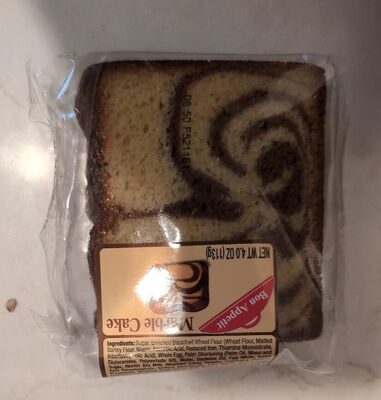
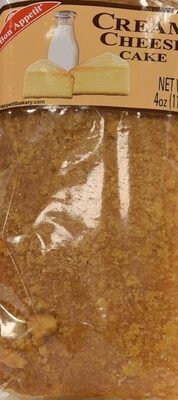
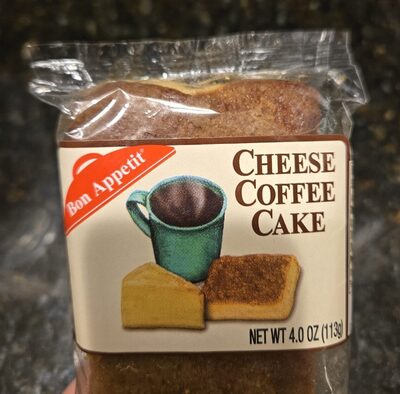
Auto-generated content. This description was generated automatically and is pending editorial review. Inaccuracies are possible. Found a mistake? Contact us.