Glycol
Auto-generated content. This description was generated automatically and is pending editorial review. Inaccuracies are possible. Found a mistake? Contact us.
What it is
Glycol is a general term for a class of organic compounds. The most common type used in food is propylene glycol, which is a synthetic liquid that absorbs water. It is made from petroleum products.
Why it's used
Propylene glycol is often used in foods as a humectant (to retain moisture), solvent for flavors and colors, and as an emulsifier. It helps prevent ingredients from separating. It is commonly found in baked goods, frostings, and frozen desserts.
Health notes
In the US, propylene glycol is generally recognized as safe (GRAS) by the FDA when used for specific purposes. It is metabolized by the body and is not stored. JECFA has evaluated propylene glycol and set an acceptable daily intake. Some people may experience mild side effects like nausea or diarrhea if they consume very large amounts, but this is rare at typical food intake levels.
Allergen info
Propylene glycol is not derived from any of the 9 FDA major allergens. It does not contain gluten.
Products containing Glycol
Compare products →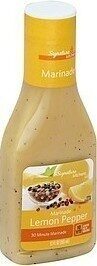 Safeway, Inc.
Lemon Pepper 30 Minute Marinade, Lemon Pepper
67kcal
0Protein
0Fat
6.7Carbs
Shirley's Cookie Company
Raisin Filled Cookie
386kcal
3.5Protein
14.0Fat
61.4Carbs
Avo's Bakery, Inc.
Gourmet French Cookies
High in saturated fat — 20% DV per serving
600kcal
6.7Protein
33.3Fat
63.3Carbs
Tops Markets, LLC
Tropical Punch From Concentrate
46kcal
0Protein
0Fat
11.7Carbs
Safeway, Inc.
Lemon Pepper 30 Minute Marinade, Lemon Pepper
67kcal
0Protein
0Fat
6.7Carbs
Shirley's Cookie Company
Raisin Filled Cookie
386kcal
3.5Protein
14.0Fat
61.4Carbs
Avo's Bakery, Inc.
Gourmet French Cookies
High in saturated fat — 20% DV per serving
600kcal
6.7Protein
33.3Fat
63.3Carbs
Tops Markets, LLC
Tropical Punch From Concentrate
46kcal
0Protein
0Fat
11.7Carbs
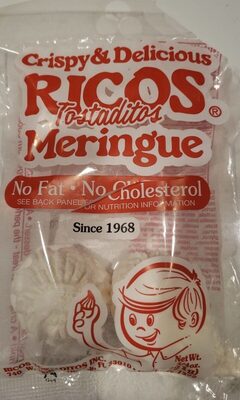 Ricos Tostaditos Inc.
Meringue
286kcal
0Protein
0Fat
66.7Carbs
Ricos Tostaditos Inc.
Meringue
286kcal
0Protein
0Fat
66.7Carbs
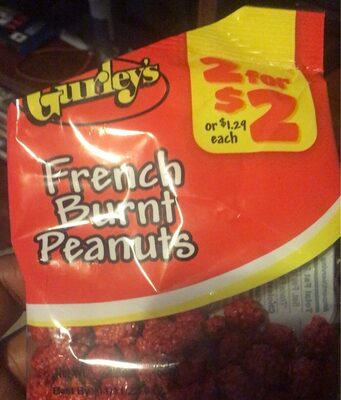 Willmar Cookie Company Inc.
French Burnt Peanuts, French Burnt
High in added sugars — 46% DV per serving
450kcal
7.5Protein
17.5Fat
72.5Carbs
Willmar Cookie Company Inc.
French Burnt Peanuts, French Burnt
High in added sugars — 46% DV per serving
450kcal
7.5Protein
17.5Fat
72.5Carbs