Propylene
What is Propylene?
Propylene glycol is a synthetic liquid substance that absorbs water. It is used as a humectant, solvent, and preservative in foods. It is also used in some industrial applications, such as antifreeze and de-icing fluid.
Is Propylene vegan?
Propylene is not animal-derived. Products that contain it can still include other animal-derived ingredients, so check the full ingredient list.
Is Propylene gluten-free?
It does not contain gluten.
Is Propylene a major allergen?
Propylene glycol is not derived from any of the nine FDA major allergens.
What is Propylene used for?
Manufacturers add propylene glycol to foods to help retain moisture and soften textures.
Is Propylene safe?
Propylene glycol is generally recognized as safe (GRAS) by the U.S. Food and Drug Administration (FDA) for use in food.
Why it's used
Manufacturers add propylene glycol to foods to help retain moisture and soften textures. It is often found in baked goods, frostings, and confectioneries. It can also be used as a solvent for flavors and colors.
Health notes
Propylene glycol is generally recognized as safe (GRAS) by the U.S. Food and Drug Administration (FDA) for use in food. The Joint FAO/WHO Expert Committee on Food Additives (JECFA) has evaluated propylene glycol and established an acceptable daily intake. Studies have shown that propylene glycol is metabolized by the body and does not accumulate. High doses, typically far exceeding normal food consumption, can cause adverse effects in sensitive individuals.
Allergen info
Propylene glycol is not derived from any of the nine FDA major allergens. It does not contain gluten.
Foods that contain Propylene
Compare products →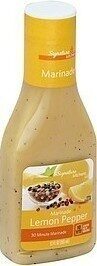
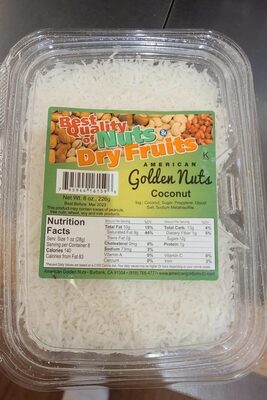
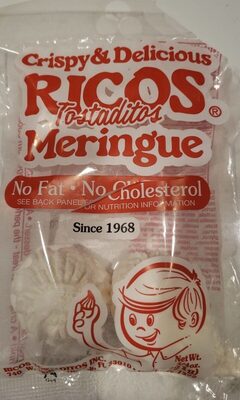
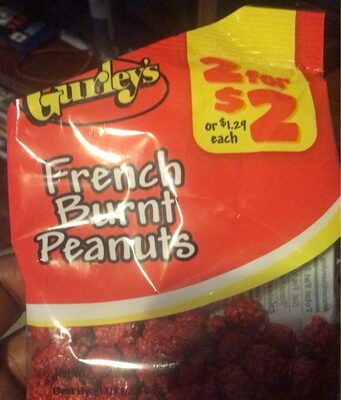
Auto-generated content. This description was generated automatically and is pending editorial review. Inaccuracies are possible. Found a mistake? Contact us.