Grated Asiago Cheese
What is Grated Asiago Cheese?
Asiago cheese is a semi-hard or hard Italian cheese made from cow's milk. It originates from the Asiago plateau in Italy's Veneto and Trentino regions. When grated, it is commonly used as a topping or ingredient to add flavor and texture to various dishes.
Is Grated Asiago Cheese vegan?
No. Grated Asiago Cheese is animal-derived, so it is not vegan.
Is Grated Asiago Cheese a major allergen?
Asiago cheese is made from cow's milk, which is one of the nine major food allergens identified by the FDA.
What is Grated Asiago Cheese used for?
Manufacturers add grated Asiago cheese primarily for its distinct flavor and texture.
Is Grated Asiago Cheese safe?
Asiago cheese is considered a food ingredient and is generally recognized as safe (GRAS) for consumption.
Why it's used
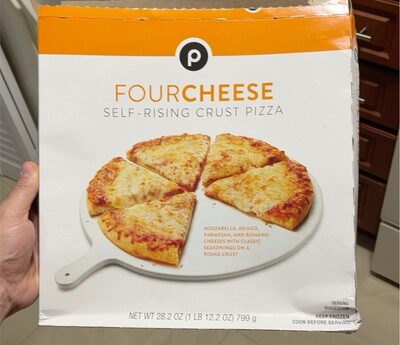
Manufacturers add grated Asiago cheese primarily for its distinct flavor and texture. It is frequently found in prepared foods like pizzas, frozen appetizers, and deli items, where it contributes a savory, nutty taste and a pleasant mouthfeel.
Health notes
Asiago cheese is considered a food ingredient and is generally recognized as safe (GRAS) for consumption. Like other dairy products, it contains protein, fat, and sodium. The FDA Daily Value for sodium is 2,300 mg. No specific health controversies are associated with Asiago cheese itself, beyond general dietary considerations for dairy products.
Allergen info
Asiago cheese is made from cow's milk, which is one of the nine major food allergens identified by the FDA.
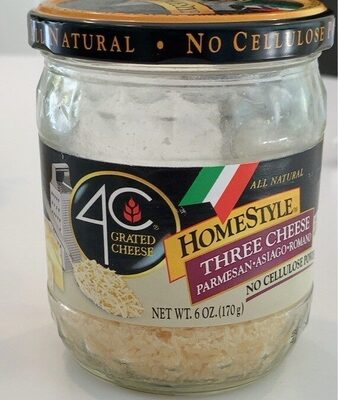
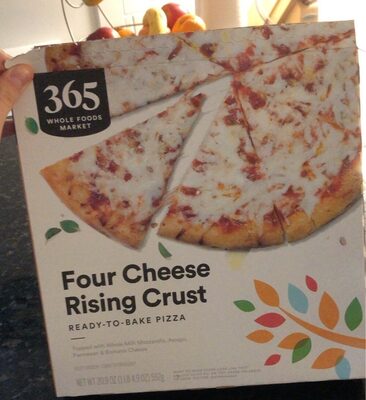
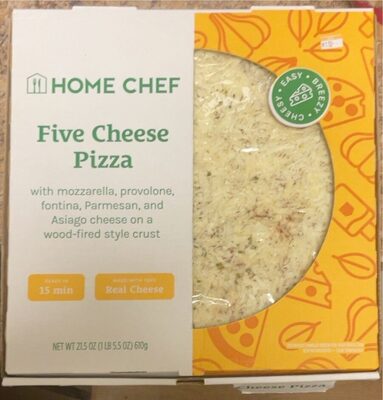
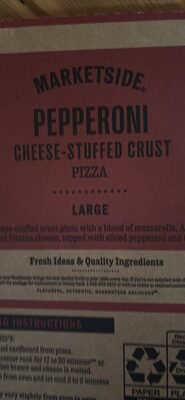
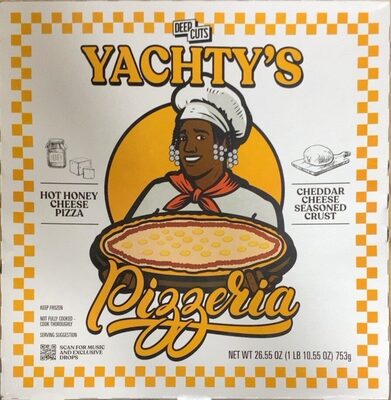
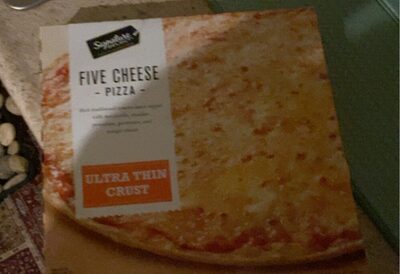
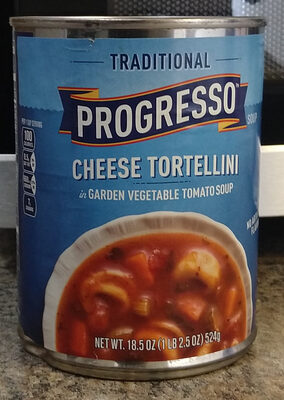
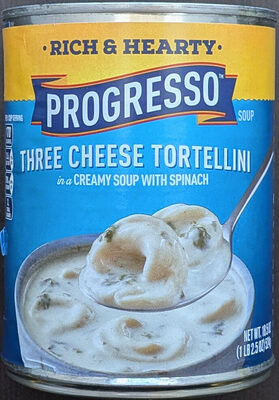
Foods that contain Grated Asiago Cheese
Compare products →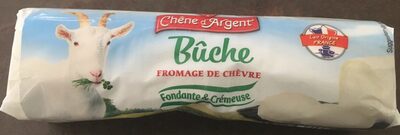


Learn more
Auto-generated content. This description was generated automatically and is pending editorial review. Inaccuracies are possible. Found a mistake? Contact us.