Haddock Fillets
What is Haddock Fillets?
Haddock is a white, flaky fish found in the Atlantic Ocean. Haddock fillets are the boneless, skinless portions of this fish, typically sold fresh or frozen. They are often prepared by baking, frying, or broiling.
Is Haddock Fillets vegan?
No. Haddock Fillets is animal-derived, so it is not vegan.
Is Haddock Fillets gluten-free?
It does not contain gluten.
Is Haddock Fillets a major allergen?
Haddock is a fish, which is one of the 9 major food allergens recognized by the FDA.
What is Haddock Fillets used for?
Haddock fillets are used as a primary protein source in many dishes, especially those featuring fish.
Is Haddock Fillets safe?
Haddock is a source of protein, vitamin B12, and selenium.
Why it's used
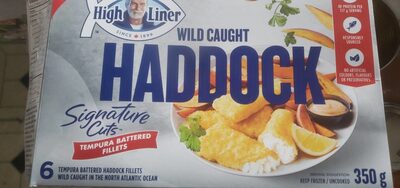
Haddock fillets are used as a primary protein source in many dishes, especially those featuring fish. They are commonly found in frozen fish sticks, breaded fish fillets, and fish and chips preparations. Their mild flavor and firm texture make them versatile for various cooking methods.
Health notes
Haddock is a source of protein, vitamin B12, and selenium. The US Food and Drug Administration (FDA) considers fish to be a major food allergen. The Joint FAO/WHO Expert Committee on Food Additives (JECFA) has evaluated fish and determined it to be safe for consumption. There are no widespread health controversies associated with typical consumption of haddock.
Allergen info
Haddock is a fish, which is one of the 9 major food allergens recognized by the FDA. It does not contain gluten.
Foods that contain Haddock Fillets
Compare products →






Learn more
Auto-generated content. This description was generated automatically and is pending editorial review. Inaccuracies are possible. Found a mistake? Contact us.