Honey Ham
What is Honey Ham?
Honey ham is a type of cured ham that has been flavored and glazed with honey. The ham is typically cured using salt and other preservatives, then cooked and coated with a honey-based glaze. This process gives the ham a sweet flavor and a glossy finish.
Is Honey Ham vegan?
No. Honey Ham is animal-derived, so it is not vegan.
Is Honey Ham gluten-free?
It does not contain gluten unless added during processing.
Is Honey Ham a major allergen?
Honey ham is not derived from any of the nine FDA major allergens.
What is Honey Ham used for?
Manufacturers use honey ham as a savory and slightly sweet meat product.
Is Honey Ham safe?
Honey ham is a processed meat product.
Why it's used
Manufacturers use honey ham as a savory and slightly sweet meat product. It is often found in deli meats, sandwiches, salads, and as a component in prepared meals. The honey glaze adds moisture and a distinct flavor profile that is popular with consumers.
Health notes
Honey ham is a processed meat product. The U.S. Food and Drug Administration (FDA) has not specifically evaluated honey ham as a distinct ingredient, but its components like honey and curing salts are regulated. The World Health Organization (WHO) and the International Agency for Research on Cancer (IARC) have classified processed meats as carcinogenic to humans, based on sufficient evidence of cancer in humans. Consuming processed meats in moderation is advised by dietary guidelines.
Allergen info
Honey ham is not derived from any of the nine FDA major allergens. It does not contain gluten unless added during processing.
Foods that contain Honey Ham
Compare products →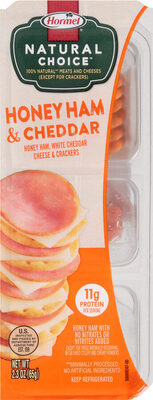
Learn more
Auto-generated content. This description was generated automatically and is pending editorial review. Inaccuracies are possible. Found a mistake? Contact us.