Hydrolyzed Corn
What is Hydrolyzed Corn?
Hydrolyzed corn is a protein-rich ingredient made from corn. It is produced by breaking down corn proteins into smaller pieces, called peptides, through a process called hydrolysis. This process can involve using acids, enzymes, or heat.
Is Hydrolyzed Corn vegan?
Hydrolyzed Corn is not animal-derived. Products that contain it can still include other animal-derived ingredients, so check the full ingredient list.
Is Hydrolyzed Corn gluten-free?
It does not contain gluten.
Is Hydrolyzed Corn a major allergen?
Hydrolyzed corn is derived from corn, which is not one of the nine FDA major allergens.
What is Hydrolyzed Corn used for?
Hydrolyzed corn is used to add a savory, umami flavor to foods, similar to the taste of meat or broth.
Is Hydrolyzed Corn safe?
Hydrolyzed corn is generally recognized as safe (GRAS) by the FDA for use in food.
Why it's used
Hydrolyzed corn is used to add a savory, umami flavor to foods, similar to the taste of meat or broth. It can also act as a flavor enhancer, making other tastes in a food product more noticeable. It is commonly found in soups, broths, sauces, and snack seasonings.
Health notes
Hydrolyzed corn is generally recognized as safe (GRAS) by the FDA for use in food. It is a source of amino acids, which are the building blocks of protein. Regulatory bodies like JECFA and EFSA have evaluated similar hydrolyzed proteins. Evidence does not suggest adverse health effects at typical consumption levels.
Allergen info
Hydrolyzed corn is derived from corn, which is not one of the nine FDA major allergens. It does not contain gluten.
Foods that contain Hydrolyzed Corn
Compare products →
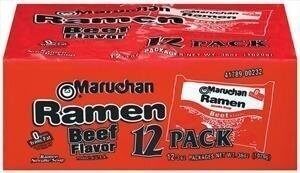
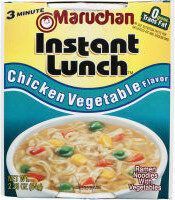
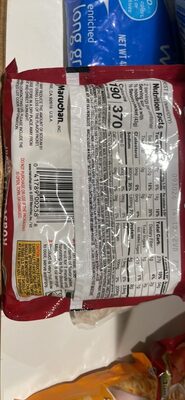
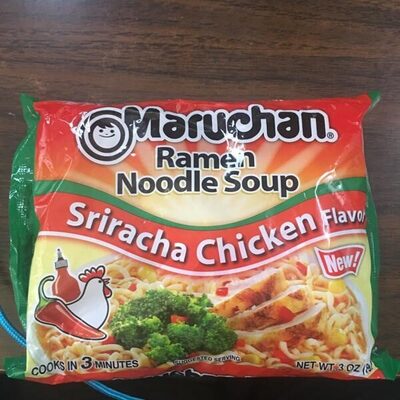
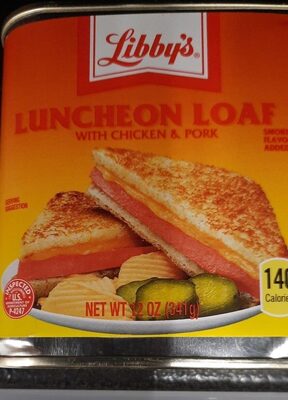
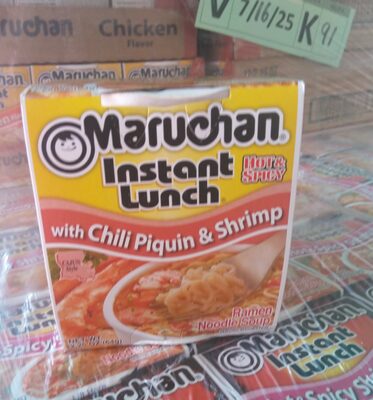
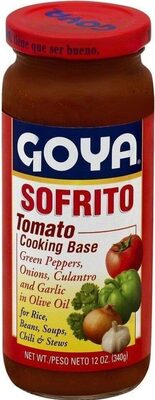
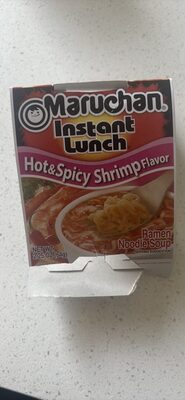
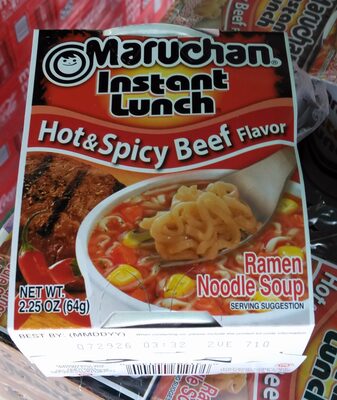
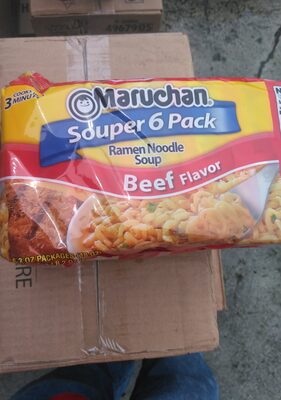
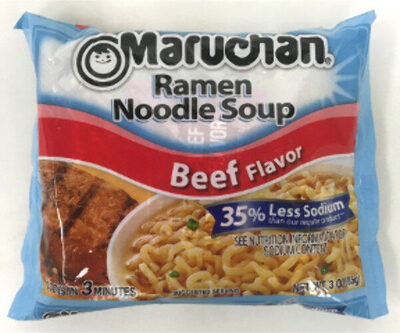 Maruchan
Ramen Noodle Soup
High in sodium — 22% DV per serving
442kcal
11.6Protein
16.3Fat
60.5Carbs
Learn more
Auto-generated content. This description was generated automatically and is pending editorial review. Inaccuracies are possible. Found a mistake? Contact us.