Koji
What is Koji?
Koji is a culinary ingredient made by fermenting rice, barley, or soybeans with a mold called *Aspergillus oryzae*. This mold is native to East Asia and is essential for making traditional fermented foods like soy sauce, miso, and sake. The fermentation process breaks down starches and proteins, creating unique flavors and aromas.
Is Koji vegan?
Koji is not animal-derived. Products that contain it can still include other animal-derived ingredients, so check the full ingredient list.
Is Koji gluten-free?
Gluten may be present if barley or wheat is used in its production.
Is Koji a major allergen?
Koji itself is not a major allergen.
What is Koji used for?
Koji is used as a natural flavor enhancer and tenderizer in a variety of foods, particularly in Asian cuisine.
Is Koji safe?
In the United States, koji is generally recognized as safe (GRAS) by the FDA for its intended use as a food ingredient.
Why it's used
Koji is used as a natural flavor enhancer and tenderizer in a variety of foods, particularly in Asian cuisine. It adds a savory, umami depth and can also contribute to sweetness and a pleasant aroma. Manufacturers use it in marinades, sauces, seasonings, and fermented products.
Health notes
In the United States, koji is generally recognized as safe (GRAS) by the FDA for its intended use as a food ingredient. It is a traditional food component with a long history of safe consumption. International bodies like JECFA have evaluated it, and EFSA has also considered its use. Evidence suggests it is safe when consumed in typical amounts found in food.
Allergen info
Koji itself is not a major allergen. However, if it is produced using barley or soybeans, those ingredients may be present, which are major allergens. Gluten may be present if barley or wheat is used in its production.
Foods that contain Koji
Compare products →


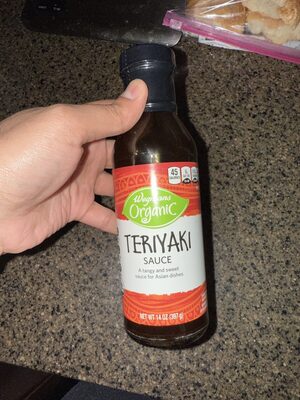 Wegmans
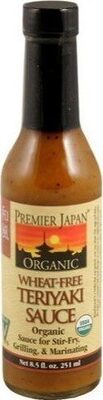
Organic Teriyaki Sauce
High in sodium — 22% DV per serving
118kcal
2.9Protein
0Fat
26.5Carbs
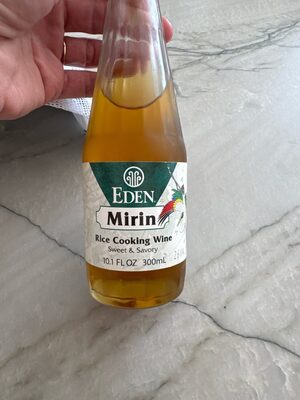
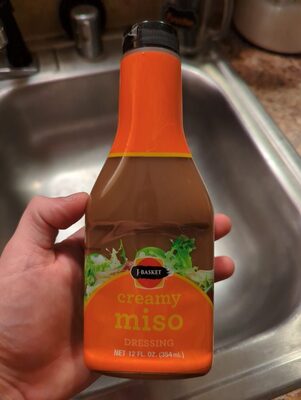
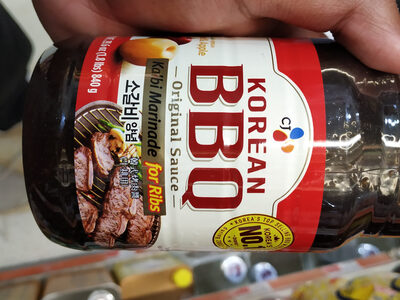

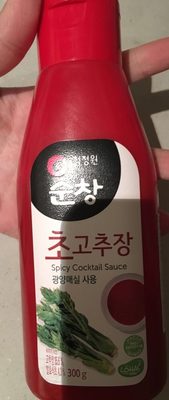
Auto-generated content. This description was generated automatically and is pending editorial review. Inaccuracies are possible. Found a mistake? Contact us.