Light Whipping Cream
What is Light Whipping Cream?
Light whipping cream is a dairy product made from the high-fat layer skimmed from milk. It typically contains between 30% and 36% milk fat. This fat content allows it to be whipped into a stable foam.
Is Light Whipping Cream vegan?
No. Light Whipping Cream is animal-derived, so it is not vegan.
Is Light Whipping Cream a major allergen?
This ingredient is derived from milk, which is one of the nine major food allergens identified by the FDA.
What is Light Whipping Cream used for?
Manufacturers add light whipping cream to foods to provide a rich, creamy texture and flavor.
Is Light Whipping Cream safe?
Light whipping cream is a common food ingredient and is generally recognized as safe (GRAS) by the FDA.
Why it's used
Manufacturers add light whipping cream to foods to provide a rich, creamy texture and flavor. It is often used in desserts, sauces, soups, and savory entrees. Its ability to thicken and emulsify also contributes to the overall mouthfeel of many products.
Health notes
Light whipping cream is a common food ingredient and is generally recognized as safe (GRAS) by the FDA. It is a source of saturated fat. The 2025-2030 Dietary Guidelines for Americans recommend limiting saturated fat intake to less than 10% of daily calories. As a basic food ingredient, it is not typically evaluated by JECFA or EFSA in the same way as food additives.
Allergen info
This ingredient is derived from milk, which is one of the nine major food allergens identified by the FDA.
Foods that contain Light Whipping Cream
Compare products →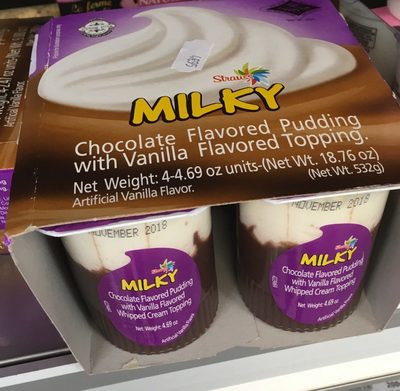
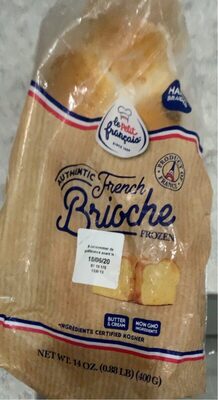
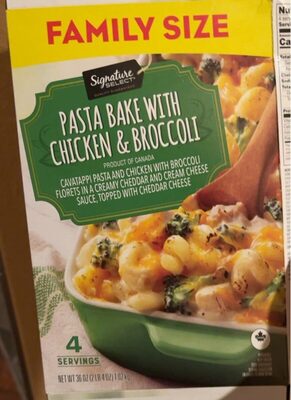
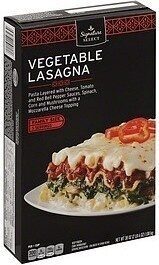
Learn more
Auto-generated content. This description was generated automatically and is pending editorial review. Inaccuracies are possible. Found a mistake? Contact us.