Live Probiotic Cultures
What is Live Probiotic Cultures?
Live probiotic cultures are beneficial bacteria and yeasts that are naturally present in some fermented foods or added to others. They are often derived from strains like Lactobacillus and Bifidobacterium, which are common in the human gut. These microorganisms are typically grown in a controlled environment before being added to food products.
Is Live Probiotic Cultures a major allergen?
Live probiotic cultures themselves are not typically derived from the 9 FDA major allergens.
What is Live Probiotic Cultures used for?
Probiotic cultures are added to foods to potentially improve their health benefits, particularly for gut health.
Is Live Probiotic Cultures safe?
Live probiotic cultures are generally recognized as safe (GRAS) by the FDA for use in food.
Why it's used
Probiotic cultures are added to foods to potentially improve their health benefits, particularly for gut health. They are most commonly found in fermented dairy products like yogurt and kefir, but also appear in some non-dairy fermented foods, supplements, and even some processed meals. Manufacturers add them to enhance the product's perceived health value.
Health notes
Live probiotic cultures are generally recognized as safe (GRAS) by the FDA for use in food. While research suggests potential benefits for gut health and digestion, the effects can vary depending on the specific strains and the amount consumed. International bodies like the WHO and EFSA have reviewed probiotics, but specific health claims require robust scientific evidence. Some studies suggest benefits, while others show limited or no effect, and more research is ongoing.
Allergen info
Live probiotic cultures themselves are not typically derived from the 9 FDA major allergens. However, the food product they are added to may contain allergens. For example, yogurt contains milk. Not a major allergen.
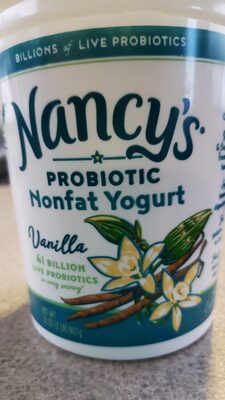
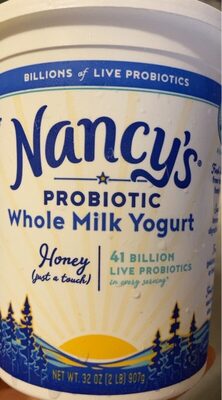
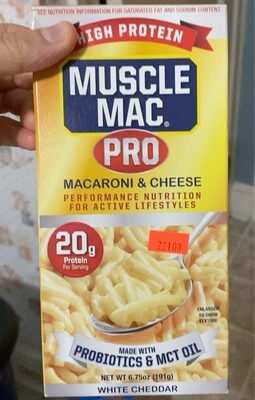
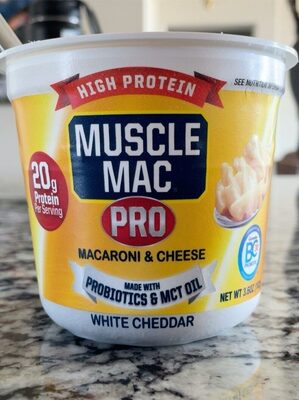
Foods that contain Live Probiotic Cultures
Compare products →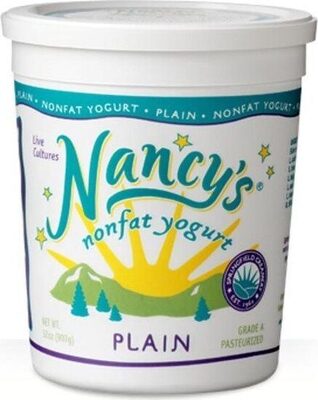
Auto-generated content. This description was generated automatically and is pending editorial review. Inaccuracies are possible. Found a mistake? Contact us.