Maize Flour
What is Maize Flour?
Maize flour, also known as corn flour, is a fine powder made from dried maize (corn) kernels. The kernels are ground into a flour, which can be made from the whole kernel or just the starchy endosperm. It is a staple ingredient in many cuisines worldwide.
Is Maize Flour vegan?
Maize Flour is not animal-derived. Products that contain it can still include other animal-derived ingredients, so check the full ingredient list.
Is Maize Flour gluten-free?
It does not contain gluten.
Is Maize Flour a major allergen?
Maize is not one of the nine major allergens identified by the FDA.
What is Maize Flour used for?
Maize flour is used as a thickening agent in sauces, gravies, and soups.
Is Maize Flour safe?
Maize flour is generally recognized as safe (GRAS) by the FDA for use in food.
Why it's used
Maize flour is used as a thickening agent in sauces, gravies, and soups. It also serves as a base for baked goods like cornbread and muffins, and is used in batters for frying. Its mild flavor and ability to absorb moisture make it versatile in food production.
Health notes
Maize flour is generally recognized as safe (GRAS) by the FDA for use in food. It is a source of carbohydrates and some fiber. Regulatory bodies like JECFA and EFSA have evaluated maize-derived ingredients. While generally considered safe, like any grain, excessive intake without a balanced diet could contribute to health issues.
Allergen info
Maize is not one of the nine major allergens identified by the FDA. It does not contain gluten.
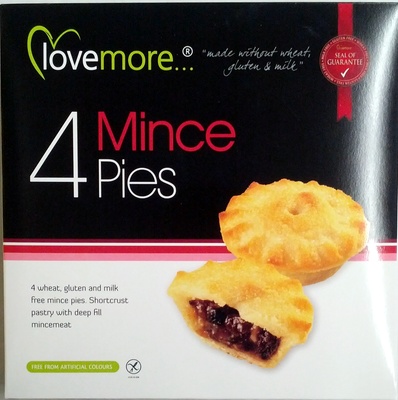
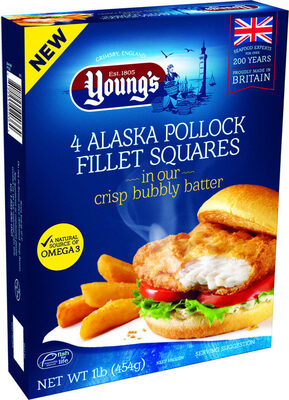
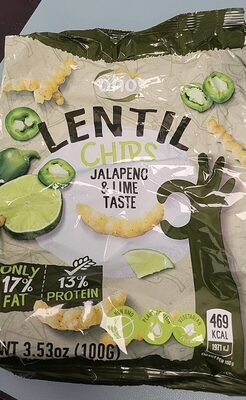
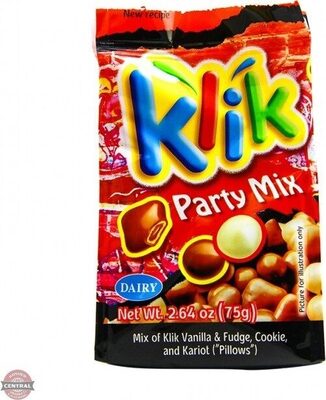
Foods that contain Maize Flour
Compare products →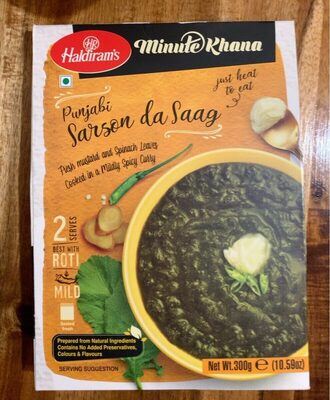




Learn more
Auto-generated content. This description was generated automatically and is pending editorial review. Inaccuracies are possible. Found a mistake? Contact us.