Malt Tapioca Blend
What is Malt Tapioca Blend?
Malt tapioca blend is a mixture of maltodextrin and tapioca starch. Maltodextrin is a carbohydrate derived from corn, rice, potato starch, or wheat, produced by breaking down starch. Tapioca starch comes from the cassava root.
Is Malt Tapioca Blend vegan?
Malt Tapioca Blend is not animal-derived. Products that contain it can still include other animal-derived ingredients, so check the full ingredient list.
Is Malt Tapioca Blend gluten-free?
However, the processing typically removes gluten, making it gluten-free.
Is Malt Tapioca Blend a major allergen?
Maltodextrin can be derived from wheat, which is a major allergen.
What is Malt Tapioca Blend used for?
Manufacturers use malt tapioca blend as a thickener, binder, or texturizer in processed foods.
Is Malt Tapioca Blend safe?
Malt tapioca blend is generally recognized as safe (GRAS) by the FDA when used as intended.
Why it's used
Manufacturers use malt tapioca blend as a thickener, binder, or texturizer in processed foods. It can also act as a filler or to improve mouthfeel. It is commonly found in snacks, baked goods, and confectionery.
Health notes
Malt tapioca blend is generally recognized as safe (GRAS) by the FDA when used as intended. It is a carbohydrate that provides energy. Regulatory bodies like JECFA and EFSA have evaluated similar ingredients, but specific evaluations for this blend are not widely published. Evidence does not suggest adverse health effects at typical consumption levels.
Allergen info
Maltodextrin can be derived from wheat, which is a major allergen. However, the processing typically removes gluten, making it gluten-free. Tapioca starch is not a major allergen.
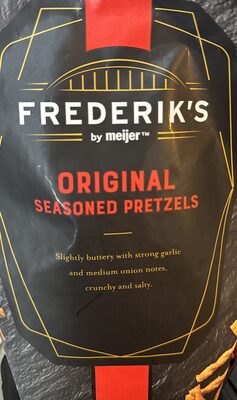
Foods that contain Malt Tapioca Blend
Compare products →
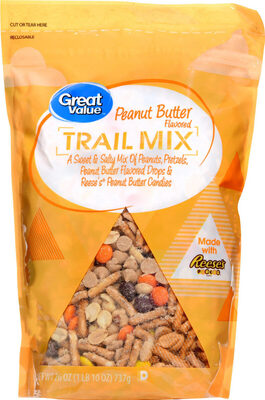
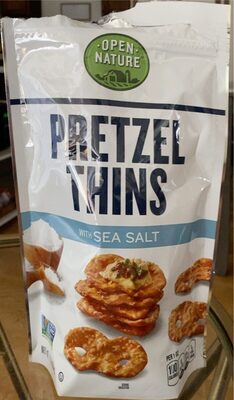
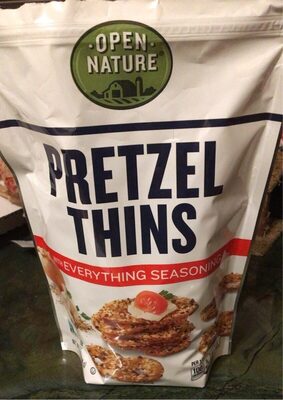
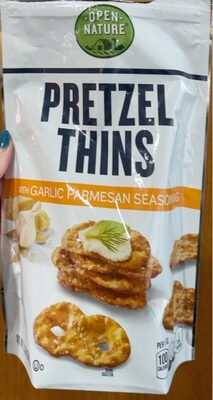
Auto-generated content. This description was generated automatically and is pending editorial review. Inaccuracies are possible. Found a mistake? Contact us.