Malted Barley Flour Niacin
What is Malted Barley Flour Niacin?
Malted barley flour is made from barley grains that have been allowed to sprout and then dried. This process, called malting, changes the starches into sugars and develops enzymes that help in baking. It is a whole grain flour used in various baked goods.
Is Malted Barley Flour Niacin vegan?
Malted Barley Flour Niacin is not animal-derived. Products that contain it can still include other animal-derived ingredients, so check the full ingredient list.
Is Malted Barley Flour Niacin gluten-free?
Malted barley flour is derived from barley, which contains gluten.
What is Malted Barley Flour Niacin used for?
Malted barley flour is used as a flavoring and coloring agent in baked goods, particularly breads and cereals.
Is Malted Barley Flour Niacin safe?
Malted barley flour is generally recognized as safe (GRAS) by the FDA when used as a food ingredient.
Why it's used
Malted barley flour is used as a flavoring and coloring agent in baked goods, particularly breads and cereals. It helps improve the crust color, texture, and overall flavor of bread by providing sugars for yeast fermentation and contributing to browning.
Health notes
Malted barley flour is generally recognized as safe (GRAS) by the FDA when used as a food ingredient. It is a source of carbohydrates and some B vitamins. International bodies like JECFA have evaluated malted barley, but no specific health concerns are associated with its typical consumption levels in food.
Allergen info
Malted barley flour is derived from barley, which contains gluten. Gluten is not one of the 9 FDA major allergens, but it is a significant allergen for individuals with celiac disease or gluten sensitivity.
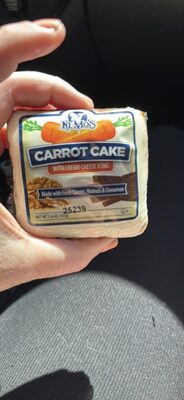
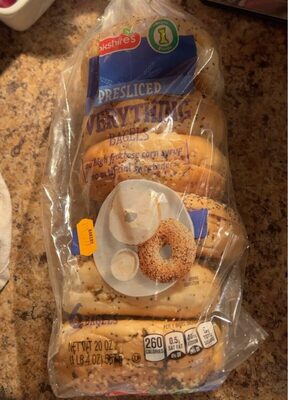
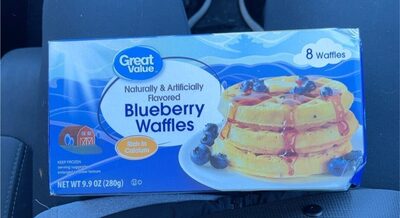
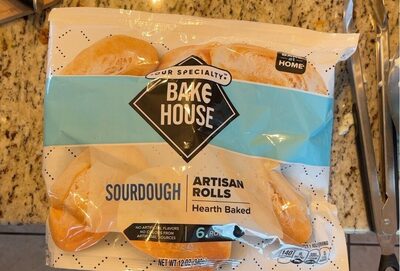
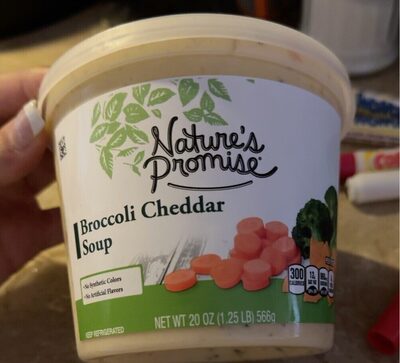
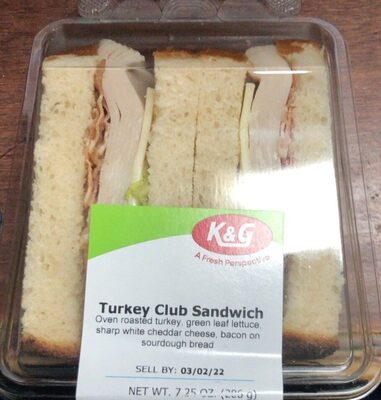
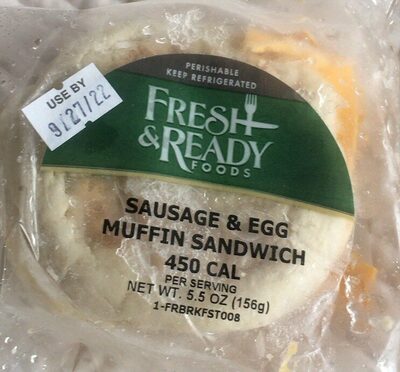
Foods that contain Malted Barley Flour Niacin
Compare products →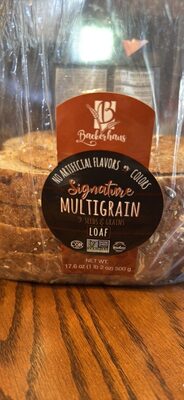
Learn more
Auto-generated content. This description was generated automatically and is pending editorial review. Inaccuracies are possible. Found a mistake? Contact us.