Mechanically Separated Turkey
What is Mechanically Separated Turkey?
Mechanically separated turkey (MST) is a paste-like poultry product made from turkey carcasses after the valuable meat has been removed by mechanical means. The process uses machines to scrape or squeeze the remaining meat, fat, and skin from bones, resulting in a slurry that is then processed further.
Is Mechanically Separated Turkey vegan?
No. Mechanically Separated Turkey is animal-derived, so it is not vegan.
Is Mechanically Separated Turkey gluten-free?
It does not contain gluten.
Is Mechanically Separated Turkey a major allergen?
Mechanically separated turkey is not derived from any of the 9 FDA major allergens.
What is Mechanically Separated Turkey used for?
Manufacturers use MST as a cost-effective way to add poultry content to processed foods.
Is Mechanically Separated Turkey safe?
In the US, mechanically separated turkey is permitted for use in food products.
Why it's used
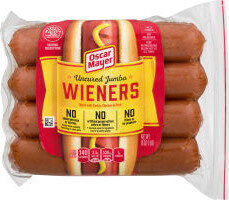
Manufacturers use MST as a cost-effective way to add poultry content to processed foods. It is commonly found in sausages, hot dogs, deli meats, and frozen meat patties, where its texture and binding properties are beneficial.
Health notes
In the US, mechanically separated turkey is permitted for use in food products. The FDA considers it safe when produced under sanitary conditions. While it is a source of protein, it may also contain higher levels of fat and calcium compared to hand-deboned meat due to the inclusion of bone fragments. No specific health concerns are associated with its consumption at typical levels.
Allergen info
Mechanically separated turkey is not derived from any of the 9 FDA major allergens. It does not contain gluten.
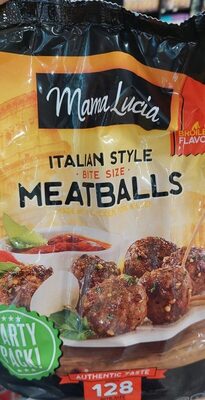
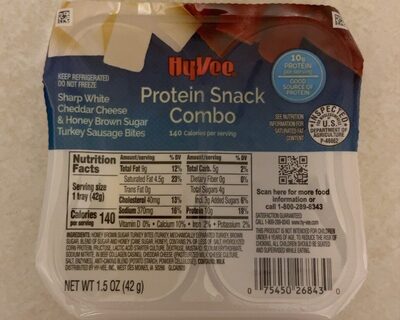
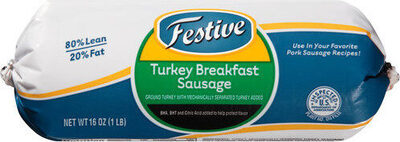
Foods that contain Mechanically Separated Turkey
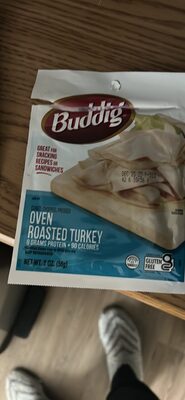
Compare products →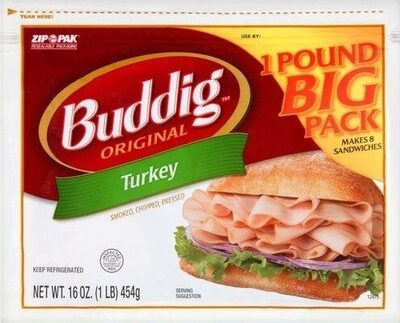 Carl Buddig &
Buddig, Turkey
High in sodium — 26% DV per serving
161kcal
17.9Protein
8.9Fat
3.6Carbs
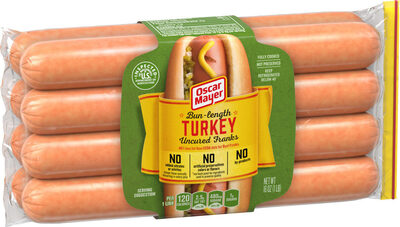

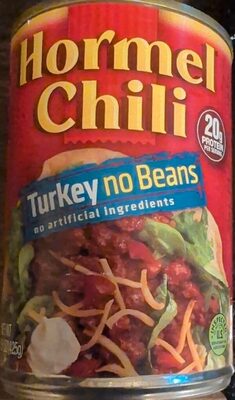
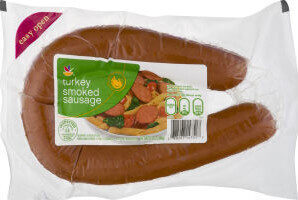 Ahold
Turkey Smoked Sausage
High in sodium — 22% DV per serving
196kcal
14.3Protein
10.7Fat
8.9Carbs
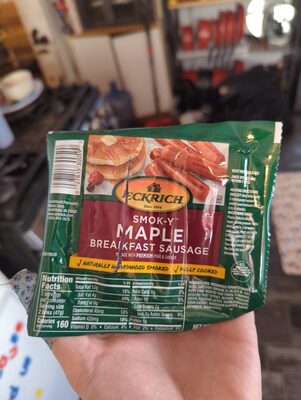
Learn more
Auto-generated content. This description was generated automatically and is pending editorial review. Inaccuracies are possible. Found a mistake? Contact us.