Milk And Salt
Auto-generated content. This description was generated automatically and is pending editorial review. Inaccuracies are possible. Found a mistake? Contact us.
What it is
Milk is a nutrient-rich liquid food produced by the mammary glands of mammals. In the US, most milk comes from cows and is pasteurized (heated to kill bacteria) and often homogenized (fat globules are broken down to prevent separation). Salt, or sodium chloride, is a mineral compound that occurs naturally and is mined or evaporated from seawater.
Why it's used
Milk is a source of protein, calcium, and vitamin D. Salt is used to enhance flavor, act as a preservative, and control fermentation in some foods. They are commonly found together in dairy products like butter, cheese, and yogurt, as well as in many processed foods for taste and preservation.
Health notes
Milk is a major food source and is generally recognized as safe (GRAS) by the FDA. Salt is also GRAS. The FDA recommends limiting sodium intake to less than 2,300 milligrams per day, about one teaspoon of table salt. High sodium intake is linked to increased blood pressure in some individuals. JECFA and EFSA have evaluated both milk components and salt.
Allergen info
Milk is one of the 9 major allergens identified by the FDA. Salt is not an allergen.
Products containing Milk And Salt
Compare products →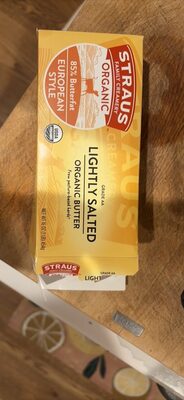 Straus Family Creamery
Lightly Salted European Style Butter, Lightly Salted
High in saturated fat — 45% DV per serving
786kcal
0Protein
85.7Fat
0Carbs
Seven Spoons Food, LLC
Chicken Biryani
High in sodium — 34% DV per serving
High in saturated fat — 20% DV per serving
140kcal
5.5Protein
4.6Fat
18.6Carbs
Steinway Pasta and Gelati
Seafood Ravioli In Basil Dough, Seafood Ravioli
184kcal
8.1Protein
1.5Fat
25.7Carbs
Steinway Pasta and Gelati
Lobster Ravioli
184kcal
9.6Protein
2.6Fat
30.9Carbs
Straus Family Creamery
Lightly Salted European Style Butter, Lightly Salted
High in saturated fat — 45% DV per serving
786kcal
0Protein
85.7Fat
0Carbs
Seven Spoons Food, LLC
Chicken Biryani
High in sodium — 34% DV per serving
High in saturated fat — 20% DV per serving
140kcal
5.5Protein
4.6Fat
18.6Carbs
Steinway Pasta and Gelati
Seafood Ravioli In Basil Dough, Seafood Ravioli
184kcal
8.1Protein
1.5Fat
25.7Carbs
Steinway Pasta and Gelati
Lobster Ravioli
184kcal
9.6Protein
2.6Fat
30.9Carbs
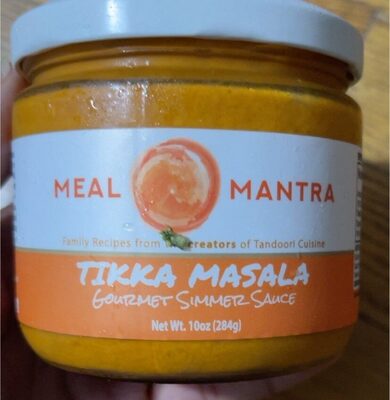 Tanuk Inc
Tikka Masala Gourmet Simmer Sauce, Tikka Masala
94kcal
1.2Protein
8.2Fat
4.7Carbs
Tanuk Inc
Tikka Masala Gourmet Simmer Sauce, Tikka Masala
94kcal
1.2Protein
8.2Fat
4.7Carbs
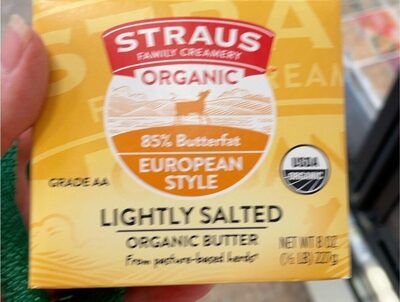 Straus Family Creamery
Lightly Salted European Style Butter, Lightly Salted
High in saturated fat — 45% DV per serving
786kcal
0Protein
85.7Fat
0Carbs
Straus Family Creamery
Lightly Salted European Style Butter, Lightly Salted
High in saturated fat — 45% DV per serving
786kcal
0Protein
85.7Fat
0Carbs