Milk Cultures
What is Milk Cultures?
Milk cultures are live microorganisms, typically bacteria, that are used to ferment milk. They are responsible for the characteristic flavors and textures found in many dairy products, such as yogurt and cheese. These cultures convert lactose (milk sugar) into lactic acid, which also helps preserve the milk.
Is Milk Cultures vegan?
No. Milk Cultures is animal-derived, so it is not vegan.
Is Milk Cultures gluten-free?
They do not contain gluten.
Is Milk Cultures a major allergen?
Milk cultures are derived from milk, which is one of the 9 FDA major allergens.
What is Milk Cultures used for?
Manufacturers use milk cultures to develop the distinct flavors and textures in fermented dairy products like cheese, yogurt, and sour cream.
Is Milk Cultures safe?
Milk cultures are generally recognized as safe (GRAS) by the FDA for use in food.
Why it's used
Manufacturers use milk cultures to develop the distinct flavors and textures in fermented dairy products like cheese, yogurt, and sour cream. They act as a natural preservative by lowering the pH of the food. They are also used in some processed foods to add a tangy flavor profile.
Health notes
Milk cultures are generally recognized as safe (GRAS) by the FDA for use in food. The live microorganisms in these cultures are often referred to as probiotics, which some research suggests may benefit gut health. JECFA has evaluated certain specific strains of lactic acid bacteria used in food production. Evidence for specific health benefits is still developing, and effects can vary depending on the specific strains present and individual health.
Allergen info
Milk cultures are derived from milk, which is one of the 9 FDA major allergens. They do not contain gluten.
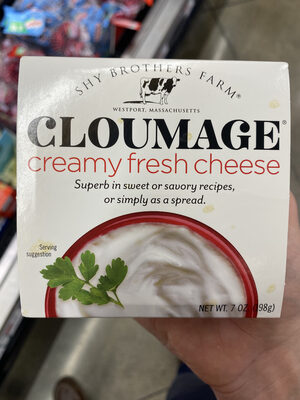
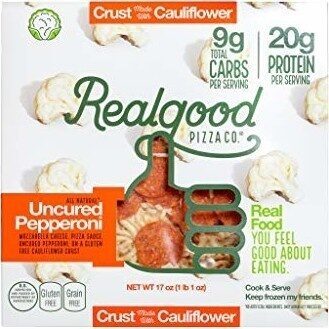
Foods that contain Milk Cultures
Compare products →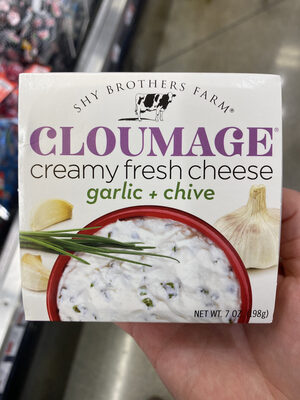

Learn more
Auto-generated content. This description was generated automatically and is pending editorial review. Inaccuracies are possible. Found a mistake? Contact us.