Milk Dipotassium Phosphate
What is Milk Dipotassium Phosphate?
Dipotassium phosphate is a salt made from potassium and phosphate. It is often produced by reacting phosphoric acid with potassium hydroxide or potassium carbonate. It is a white powder that dissolves easily in water.
Is Milk Dipotassium Phosphate a major allergen?
Dipotassium phosphate itself is not one of the major allergens.
What is Milk Dipotassium Phosphate used for?
This ingredient is used as a stabilizer, emulsifier, and nutrient supplement in foods.
Is Milk Dipotassium Phosphate safe?
In the U.S., dipotassium phosphate is generally recognized as safe (GRAS) by the FDA when used as intended.
Why it's used
This ingredient is used as a stabilizer, emulsifier, and nutrient supplement in foods. It helps prevent ingredients from separating and can improve texture. You'll find it in baked goods, dairy products, and some processed fruits and vegetables.
Health notes
In the U.S., dipotassium phosphate is generally recognized as safe (GRAS) by the FDA when used as intended. It is a source of potassium and phosphorus, which are important minerals. International bodies like JECFA and EFSA have evaluated it. Evidence does not suggest adverse effects at typical dietary levels.
Allergen info
Dipotassium phosphate itself is not one of the major allergens. However, if it is derived from milk processing, it could be considered a dairy derivative, though the protein responsible for allergic reactions is typically removed.
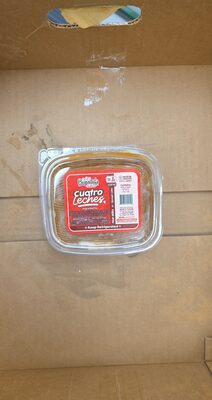
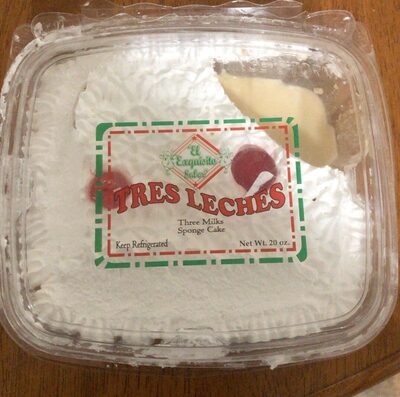
Foods that contain Milk Dipotassium Phosphate
Compare products →
Learn more
Auto-generated content. This description was generated automatically and is pending editorial review. Inaccuracies are possible. Found a mistake? Contact us.