Niacin Thiamin Mononitrate
Auto-generated content. This description was generated automatically and is pending editorial review. Inaccuracies are possible. Found a mistake? Contact us.
What it is
Niacin, also known as vitamin B3, is a B vitamin essential for human health. Thiamin mononitrate is a stable form of thiamin, also known as vitamin B1. Both are typically produced synthetically for use in food fortification.
Why it's used
These ingredients are added to foods as nutrients to fortify them, helping consumers meet their daily vitamin requirements. They are commonly found in enriched grain products like bread and cereals, as well as in some processed meals.
Health notes
Niacin and thiamin are essential vitamins that play key roles in metabolism. The US FDA recognizes them as safe when used as nutrients. International bodies like JECFA have evaluated these vitamins and established guidelines for their use. At typical intake levels from fortified foods, they are not associated with adverse health effects.
Allergen info
Niacin and thiamin mononitrate are not derived from any of the 9 major allergens. They do not contain gluten.
Products containing Niacin Thiamin Mononitrate
Compare products →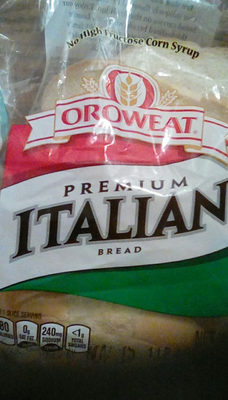 Bimbo Bakeries USA, Inc.
Italian Bread, Italian
256kcal
10.3Protein
2.6Fat
48.7Carbs
Bimbo Bakeries USA, Inc.
Italian Bread, Italian
256kcal
10.3Protein
2.6Fat
48.7Carbs
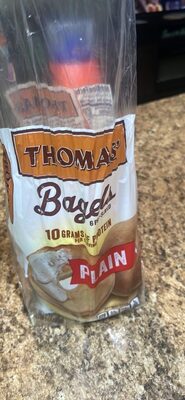 Bimbo Bakeries USA, Inc.
Pre-Sliced Plain Bagels
High in sodium — 20% DV per serving
284kcal
10.5Protein
1.6Fat
55.8Carbs
Bimbo Bakeries USA, Inc.
Pre-Sliced Plain Bagels
High in sodium — 20% DV per serving
284kcal
10.5Protein
1.6Fat
55.8Carbs